
Last updated November 2, 2026
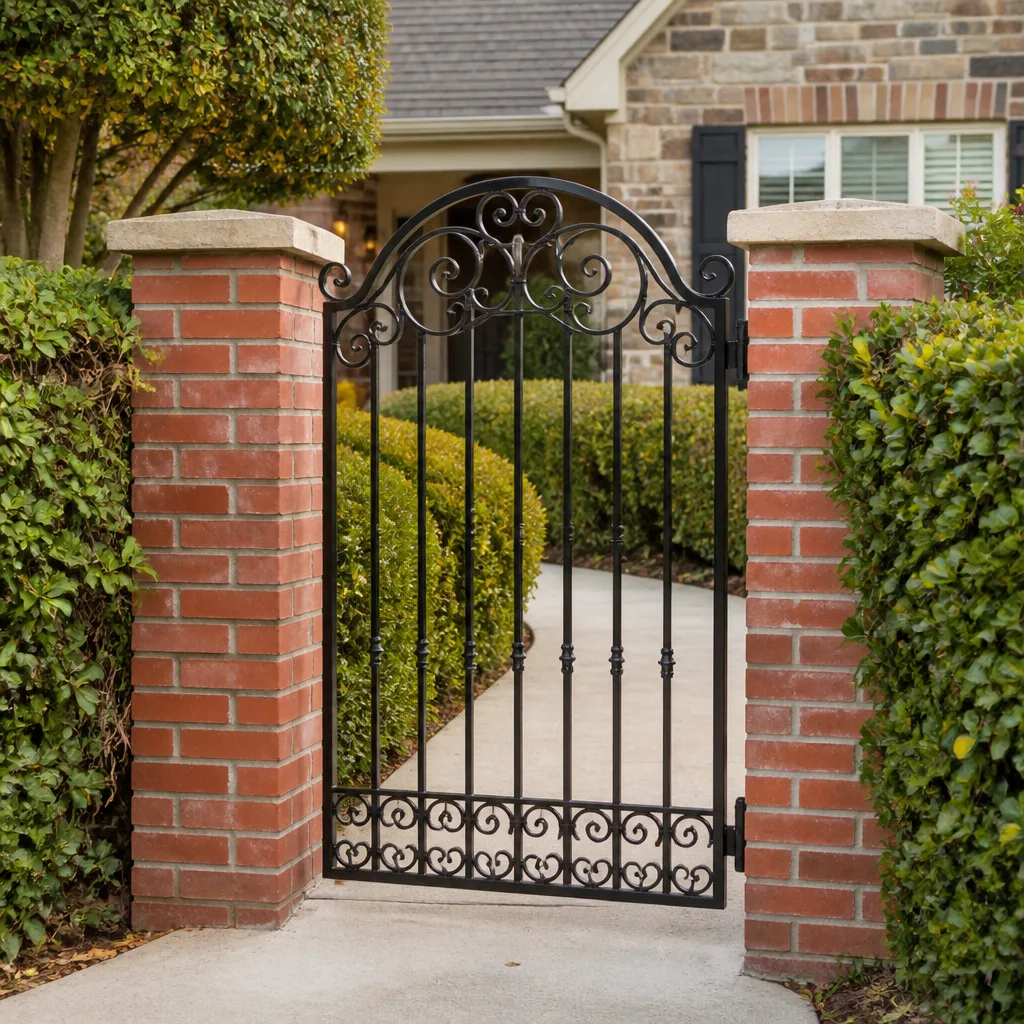 Wrought iron
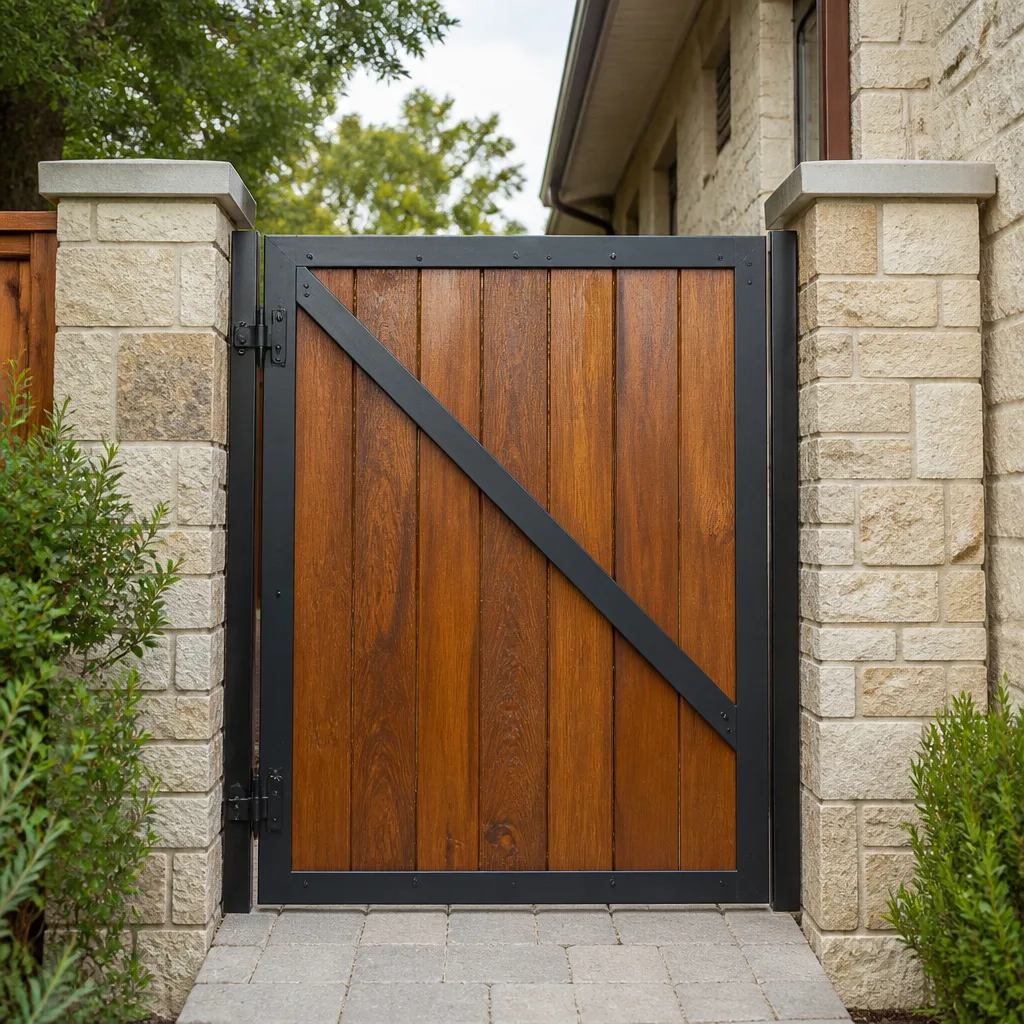 Wood & steel frame
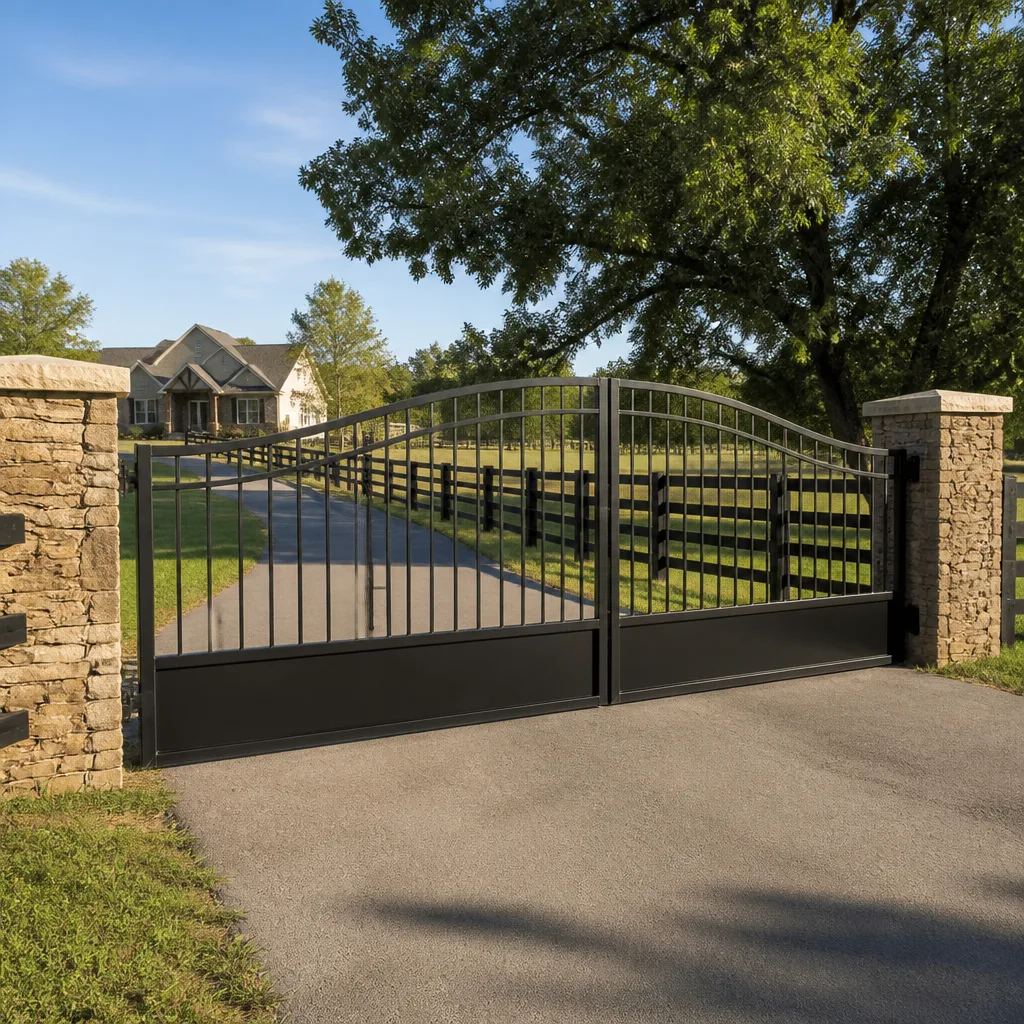 Farm & ranch
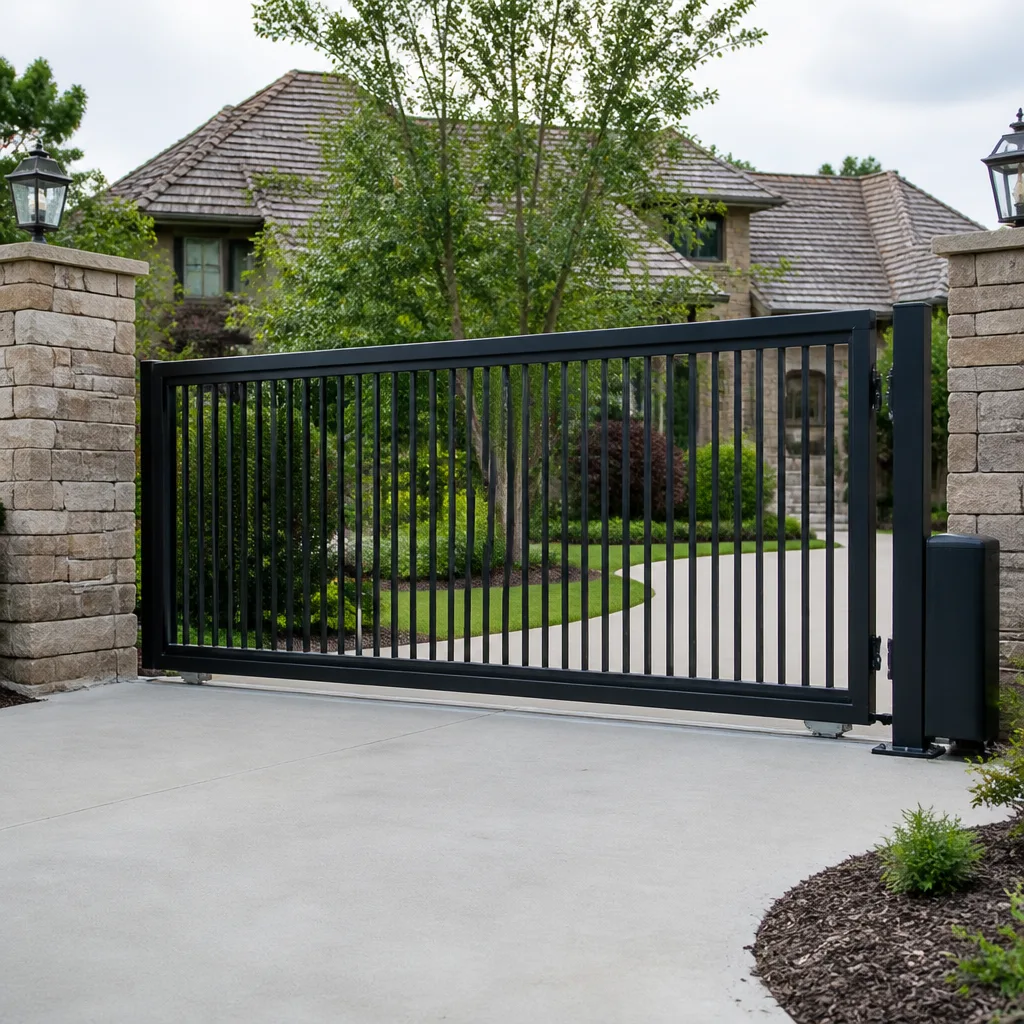 Sliding driveway gates
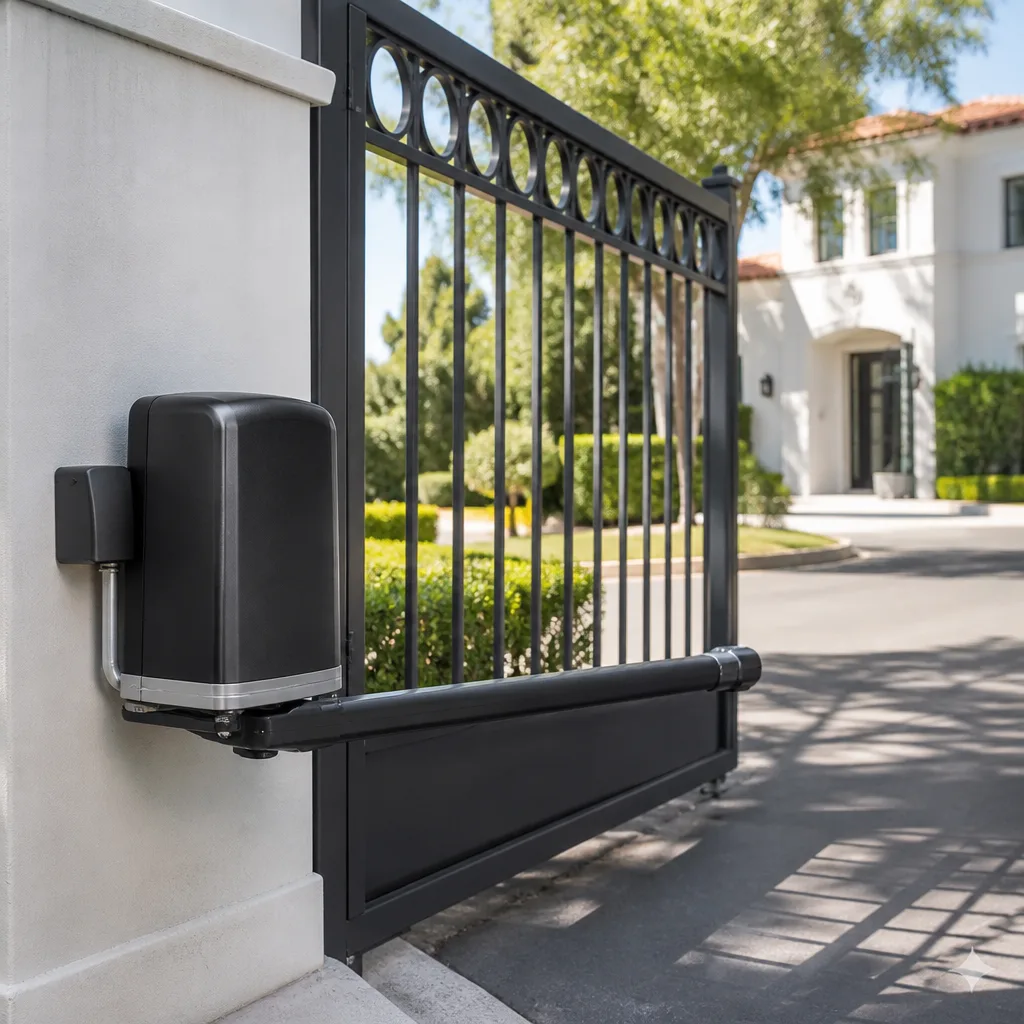 LiftMaster operators
Free on-site gate assessment - hinges, posts, and your LiftMaster or Nice gate operator checked before anything is quoted
The assessment is free and the quote is the invoice.
Get your free estimateGate Repair Emergency Preparedness Guide for Montecito Heights Homes
During the 2024 LA fire season, multiple hillside homeowners reported being unable to manually release their gate operator during rapid evacuation. Not because the release mechanism was broken, but because they had never practiced it and could not find the cord in the dark. In Montecito Heights, where winding streets meet canyon terrain, a gate emergency is rarely just an inconvenience. It is a blocked evacuation route during a fire event or a compromised access point during a security incident, and neither scenario allows time to search for a service number. This guide prepares you for the three emergency scenarios most likely to affect hillside Los Angeles properties and gives you a scripted response to each, so that when something fails, you already know your next move.
Styles & brands we work with
- Wrought iron
- Wood & steel frame
- Farm & ranch
- Sliding driveway gates
- LiftMaster operators
Quick Answer
A gate emergency in Montecito Heights requires knowing three things before anything goes wrong: where your manual release is located, what your gate does when power fails, and who to call when the problem is beyond a manual override. Most gate emergencies can be resolved temporarily with a manual release, but a gate that will not open, will not close, or fails open at night needs a gate specialist who can diagnose the fault correctly the first time.
Table of Contents
- The Manual Release Drill for Montecito Heights Gates
- Power Outage Protocol and Battery Backup Realities
- Gate Stuck Closed: Your Decision Tree
- Gate Stuck Open: The Overnight Security Response
- The Emergency Contact Sheet Every Hillside Home Needs
- Brand-Specific Release Differences: Ghost Controls, DoorKing, Elite, and Mighty Mule
- Montecito Heights Seasonal Threats to Gate Systems
- Common Mistakes to Avoid
- When to Call a Professional
- Frequently Asked Questions
- The Bottom Line
The Manual Release Drill for Montecito Heights Gates
Every automatic gate has a manual release mechanism. It exists precisely for the moment when the motor will not respond and you need the gate to move. The problem we see repeatedly in Montecito Heights is that homeowners do not know where the release is, how to operate it, or how to re-engage it once power returns. This is not a fault in the gate. It is a gap in preparation.
The release typically takes one of three forms depending on your operator type. Swing gate operators made by Ghost Controls and Mighty Mule often use a pull-handle or keyed release located directly on the actuator arm. Slide gate operators from DoorKing and Elite typically use a release lever on the motor housing itself, which disengages the drive gear from the chain or rack. Some commercial-grade DoorKing systems use a keyed bypass switch that requires a flathead screwdriver or a dedicated key kept near the gate.
Here is the drill we recommend every Montecito Heights homeowner run at least twice a year, ideally once before fire season and once after the first heavy rain:
- Locate the release in daylight. Walk to the operator arm or motor housing and identify the exact release point. If it is a pull-cord, trace it visually to the release mechanism.
- Practice pulling or turning the release with the gate fully closed. Disengage the operator and confirm the gate moves freely by hand. You should be able to push or pull it open without excessive force.
- Re-engage the release. Return the lever, handle, or cord to its engaged position. Confirm the operator responds normally by triggering a remote or keypad command.
- Test at night, with a flashlight. The scenario that matters is 3 a.m. during an evacuation. If you cannot find the release then, the daylight rehearsal was insufficient.
- Document the location. Tape a small laminated card near the gate control panel or inside the garage noting the release type and exact location, so that anyone in the household can operate it.
We have walked Montecito Heights homeowners through this drill on gates that had been installed for eight years without the release ever being touched. The release works. The problem is that nobody knew it was there. For repairs that go beyond a simple manual release, see our full Gate Repair in Montecito Heights page.
Power Outage Protocol and Battery Backup Realities
Montecito Heights experiences power interruptions during Santa Ana wind events, summer heat waves that strain the grid, and winter storms that bring down lines along canyon roads. When power fails, your gate operator does one of three things depending on its configuration. Some gates default to the position they were in when power was lost. Some default to open. Some default to closed. Knowing your operator’s default behavior matters more than most homeowners realize.
Battery backup systems, where installed, are not universal power supplies. They are designed to provide a limited number of open and close cycles, typically between 5 and 20 depending on the gate type and battery condition. A Gate operator with a battery backup will not run indefinitely. Once the battery is depleted, the gate reverts to its mechanical default. On many swing gate operators, this means the gate can be pushed open manually, which is good for evacuation but bad for security if you are away from the property.
Here is what we tell Montecito Heights homeowners about battery backup expectations:
- Battery backup covers the operator, not the accessories. Your keypad, intercom, or access control panel may not have independent battery backup, so the gate may open and close during an outage but your entry code may not work.
- Solar-charged batteries degrade in canyon shade. If your property sits on the north side of a hillside in Montecito Heights, a solar panel that looked adequate in March may underperform in December. Check battery voltage seasonally.
- Most residential swing gate operators default to manual-open when battery dies. This is a safety default, not a defect, but it means an unattended gate may be openable by hand after prolonged outage.
- Slide gate operators often lock in place when the battery fails. A DoorKing slide gate with a dead battery may require you to manually release the drive chain before the gate will move.
When the power comes back, some operators re-engage automatically and some require a manual re-engagement. Ghost Controls and Mighty Mule residential arms typically require you to confirm re-engagement by running a full open and close cycle. Elite and DoorKing operators sometimes re-engage immediately upon power restoration and will run a limit-learning cycle. If your gate behaves erratically after an outage, it is worth a diagnostic call before assuming the operator is dead. Our Electric Gate Repair in Montecito Heights page covers power-related diagnostics in detail.
Gate Stuck Closed: Your Decision Tree
A gate that will not open when you need to leave is the highest-stakes gate emergency. In Montecito Heights, where evacuation routes are limited and canyon roads leave little room for improvised exits, a stuck-closed gate demands a fast, practiced response. Here is the decision tree we recommend, in order.
- Try the remote, then the keypad, then the intercom. If any one of the three opens the gate, the problem is isolated to a specific control input, not the gate itself. Note which inputs work and which do not, and share that with your repair technician.
- Check the power indicator on the control box. If the light is off, you are likely dealing with a tripped breaker, a blown fuse, or a dead control board. Reset the breaker once. If it trips again, do not reset it repeatedly; a short in a motor capacitor or a damaged wire is causing the load.
- Locate the manual release and disengage it. This is the step most people skip because they have not practiced it. The manual release exists for exactly this reason. Disengage the operator and push the gate open by hand.
- If the gate will not move manually after release, check for obstruction. A fallen branch, a displaced wheel on a slide gate, or a bent hinge on a swing gate can block movement even without the motor engaged. Clear the obstruction only if you can do so safely and without standing in the path of the gate.
- Do not attempt to disconnect the gate from a welded or bolted hinge unless you have the right tools and a second person. On some Montecito Heights hillside properties, gates are heavy, and a gate that comes off its hinges unexpectedly on a slope is dangerous.
- Call a gate specialist if the gate will not move after manual release. A gate that will not move with the operator disengaged points to a mechanical failure, not an electrical one, and forcing it can cause further damage and injury.
We have seen Montecito Heights gates stuck closed because of a dead remote battery, a failed photocell circuit, a bent track from a minor hillside slip, and a control board damaged by a power surge. The manual release resolves the immediate access problem in most cases. The longer-term fix requires knowing which of those failures actually occurred.
Gate Stuck Open: The Overnight Security Response
A gate that fails open at night is a different emergency. On a hillside property in Montecito Heights, an open gate is an invitation to the wrong kind of curiosity, and the response is not about getting out. It is about restoring a physical barrier until a repair is possible.
When a gate sticks open, the first step is always the same. Confirm whether the operator will close with a manual command. If the remote, keypad, or push button closes the gate and it reopens immediately on its own, you are likely looking at an obstruction sensor or a safety loop fault, not a motor failure. Check for debris in the path, then check the photocell alignment. A misaligned photocell will tell the operator that something is in the way, and the gate will refuse to stay closed.
If the gate will not close at all, here are the temporary security measures that work in Montecito Heights without damaging the operator:
- Disengage the manual release and push the gate closed by hand. Once the gate is closed, use a chain and padlock or a heavy-duty ratchet strap to hold the gate in place. Do not rely on the operator, which is not functioning.
- For slide gates, use a wheel chock or a wedge block. A slide gate that is manually closed can roll back on a slope. Block both the front and rear wheels before walking away.
- Use a temporary no-parking or warning marker if the gate must remain open. On narrow Montecito Heights streets, an open gate that swings into the road is a hazard even when it is not a security concern.
- Photograph the position of the operator arm, chain, and gate before moving anything. A photo taken at the moment of failure helps a technician identify what shifted, which saves time during the repair visit.
A gate failing open is most common after heavy rain, when hillside soil movement shifts the gate frame just enough to bind the operator, or after a power surge that resets the operator to a default open position. The operator is not necessarily ruined, but it does need a diagnostic review before you trust it again. For repairs and diagnostics, see Gate Repair in Montecito Heights.
The Emergency Contact Sheet Every Hillside Home Needs
At 11 p.m., during an evacuation alert or a security incident, nobody wants to search through a drawer for a manual or scroll through a phone for a service number. The emergency contact sheet is a single page, posted in the garage or near the main electrical panel, that answers every question a gate emergency might raise.
Here is what belongs on that sheet for every Montecito Heights home with an automated gate:
- Gate service phone number. Write it in large print. This is the number you call when the manual release does not solve the problem and you need a repair technician who works on your specific brand.
- Gate brand and model number. The brand is on the operator arm or motor housing. The model number is usually on a serial plate on the same component. A technician can prepare better with this information before arriving.
- Manual release location and type. Describe exactly where the release is, whether it is a pull-cord, lever, or keyed bypass, and what tool is needed to operate it.
- Power breaker location for the gate circuit. Label the breaker in the panel now, before an emergency, so anyone can cut power to the gate if needed.
- Battery backup status. Note whether the gate has battery backup, approximately when the battery was last replaced, and what the gate does when the backup dies.
- Property gate configuration. One or two gates, swing or slide, approximate gate weight, and any known quirks, like a photocell that misaligns after wind.
We recommend making this sheet a part of moving into any Montecito Heights home with a gate, the same way you would note the water shutoff and the gas main. When the emergency arrives, the sheet removes the thinking from the moment and lets you act. For a full evaluation of your current gate setup, including brand-specific documentation, our Gate Installation in Montecito Heights page covers what a professional assessment includes.
Brand-Specific Release Differences: Ghost Controls, DoorKing, Elite, and Mighty Mule
Not all manual releases work the same way. We work on nine major gate brands, and the differences between them matter when you are reaching for a release in the dark. Here are the four brands we most often see on Montecito Heights residential gates and what you need to know about their release mechanisms.
Ghost Controls
Ghost Controls swing gate operators use a mechanical release on the actuator arm itself. The arm has a lever or pull-pin that disengages the motor from the drive screw. Pulling the release allows the gate to swing freely. Re-engagement requires running the operator through a full cycle so the arm can re-seat itself. Ghost Controls arms are common on mid-weight residential gates in the hills, and the release is typically reachable without tools, which is good for a fast evacuation response.
DoorKing
DoorKing operators, from residential slide gate models to commercial access systems, use a release on the operator housing. On slide gate models, the release disengages the drive sprocket from the chain, and the gate can be pushed manually along the track. On some DoorKing swing gate models, the release is a lever near the motor shaft. DoorKing systems used in access-control settings in Montecito Heights may also have a keyed bypass, and the key is usually stored in the operator housing or near the control panel. Always document where that key lives before you need it.
Elite
Elite gate operators, particularly the slide gate models found on some larger Montecito Heights properties, use a manual release that disconnects the gearbox from the drive. The release is often a T-handle or a lever mounted on the side of the operator. Re-engaging an Elite operator requires the gate to be in a specific position relative to the limit switches, so take note of where the gate sits when you disengage it. Misaligned re-engagement is a common cause of a gate that will not close fully after a manual override.
Mighty Mule
Mighty Mule arms, a common choice for lighter residential gates, use a pull-pin or a thumb-release at the point where the arm connects to the gate bracket. The arm separates from the bracket, allowing the gate to swing freely. Mighty Mule releases are simple but can be stiff if the arm has not been serviced in several years, so a seasonal test is worthwhile. Re-engagement is straightforward but should be followed by a limit check to confirm the gate fully opens and closes.
If you do not know which brand your gate uses, the information is on the operator housing or the control board enclosure. Knowing the brand before a failure allows a technician to bring brand-specific parts, which shortens the repair window considerably. For a deeper look at how we diagnose across brands, see the Lighthouse Gate Repair home page.
Montecito Heights Seasonal Threats to Gate Systems
Montecito Heights sits where the Los Angeles basin meets the hills, and the seasonal patterns here create predictable stress on gate systems. Fire season, roughly September through December depending on rain, brings high winds and utility-initiated power shutoffs. The high winds push gates to sway, misalign photocells, and cause swing gates to bind against their posts. Power shutoffs drain battery backups and leave gates in whatever default position they are designed to assume.
Rainy season, roughly January through March, brings soil movement on hillside properties. A swing gate post that shifts even a quarter-inch can throw off the operator’s limit settings, causing the gate to stop short or overrun. Slide gate tracks collect debris, and downhill properties see more silt and gravel in the track than flat lots. We have seen gates in Montecito Heights that worked flawlessly through July and August fail two weeks after the first heavy rain, simply because the hillside moved and the gate frame moved with it.
Summer heat is the third seasonal factor. Control boards run hot inside their enclosures, and capacitors degrade faster in direct sun exposure than in shade. A gate operator that sits in full afternoon sun on a Montecito Heights hillside is under more thermal stress than an identical operator in a shaded canyon lot. The failure pattern we see most often is a gate that works in the morning and fails in the late afternoon, when the heat peaks and a marginal component finally gives out.
None of these seasonal failures is random. They are predictable, which means they are preparable. A seasonal inspection that checks post alignment, track condition, photocell alignment, and battery voltage before fire season and after the first heavy rain will catch most failures before they become emergencies. For an inspection or a repair, our Electric Gate Repair in Montecito Heights page details what a seasonal service visit includes.
Common Mistakes to Avoid
- Never practicing the manual release before it is needed. The release mechanism is only useful if you can find and operate it in the dark, under stress. A daylight rehearsal is not enough; practice with a flashlight at night.
- Assuming battery backup means the gate will operate normally during a long outage. Battery backup provides limited cycles, not unlimited operation. A three-day power shutoff will eventually drain the battery, and the gate will revert to its mechanical default.
- Resetting the breaker repeatedly when it keeps tripping. A breaker that trips once may be a fluke. A breaker that trips twice is pointing to a short or a failed motor component. Repeated resets risk further damage to the control board.
- Disengaging the manual release without noting the gate position. On some operators, particularly Elite models, re-engaging at the wrong gate position causes limit errors and a gate that will not fully close. Note where the gate sits before you disengage.
- Using a padlock on a gate that the operator is still trying to move. If the operator is functioning but misaligned, a padlock can cause the operator to strip gears or bend the drive arm. Always disengage the manual release before chaining a gate closed.
- Ignoring a gate that closes slowly or grinds. Slow operation is an early warning of a failing capacitor, low hydraulic fluid on hydraulic operators, or a binding hinge. Addressing it early prevents an emergency replacement later.
- Not documenting the gate brand and model before a failure. The moment of failure is a bad time to start reading serial numbers off a motor housing in the dark. Document it now and put it on the emergency contact sheet.
When to Call a Professional
Some gate failures are mechanical, some are electrical, and some are both. A gate that will not move after the manual release is disengaged points to a mechanical problem: a seized bearing, a bent track, a broken hinge. A gate that moves but will not auto-reverse or fails to stop at its limit points to a sensor or control board fault. A gate that trips its breaker points to an electrical fault somewhere in the motor or wiring. None of these should be guessed at, and all of them can be made worse by forcing the gate to move. When the manual release does not resolve the issue, or the gate fails open and you need it secured, or the gate behaves unpredictably after a power event, call a gate specialist who works on your specific brand. Lighthouse Gate Repair offers free estimates in Montecito Heights – call (866) 569-5320.
Frequently Asked Questions
Locate the manual release mechanism on your operator arm or motor housing, disengage it, and push the gate open by hand. The release type varies by brand: Ghost Controls and Mighty Mule use a pull-pin or lever on the arm, while DoorKing and Elite use a release on the motor housing or a keyed bypass. If you cannot find or operate the release, call (866) 569-5320 for guidance.
Disengage the manual release, push the gate closed by hand, and secure it with a chain and padlock or a heavy-duty ratchet strap. Do not rely on the operator if it has already failed, and block the wheels on a slide gate to prevent roll-back on a slope. Call (866) 569-5320 for a repair visit as soon as possible.
Most residential gate battery backups provide between 5 and 20 open and close cycles, depending on the gate type, battery age, and whether accessories like keypads are drawing from the same source. A multi-day power shutoff will drain the battery, and the gate will then revert to its mechanical default position.
You can reset the breaker once to confirm the trip, but a breaker that trips repeatedly indicates an electrical fault in the motor, capacitor, or wiring. Repeated resets put the control board at risk of further damage. A professional diagnosis is the safer path, and estimates are free.
Lighthouse Gate Repair works on Ghost Controls, DoorKing, Elite, Mighty Mule, LiftMaster, FAAC, BFT, Linear, and Viking. The diagnosis is brand-agnostic, meaning the repair recommendation is based on what your gate actually needs, not on pushing a replacement brand.
Test the manual release twice a year: once before fire season in late summer and once after the first heavy rain. The drill should include locating the release, disengaging it, moving the gate by hand, and re-engaging it with a full open and close cycle to confirm proper operation.
The Bottom Line
Montecito Heights gate emergencies are manageable when preparation happens before the failure. Know your manual release and practice it at night. Understand what your battery backup actually covers and what your gate does when the battery dies. Have a decision tree for a gate stuck closed and a security response for a gate stuck open. Document your gate brand, model, and release location on a posted contact sheet. When the manual override is not enough, or the failure is electrical or mechanical, call a gate specialist who works on your brand, not a generalist who will figure it out from scratch. The goal is not just a gate that opens and closes. The goal is a gate that does not become the emergency itself.
Written by the team at Lighthouse Gate Repair, serving Montecito Heights since 2018.
See the difference
 Before
 After
 Before
 After
 Before
 After