
Last updated November 2, 2026
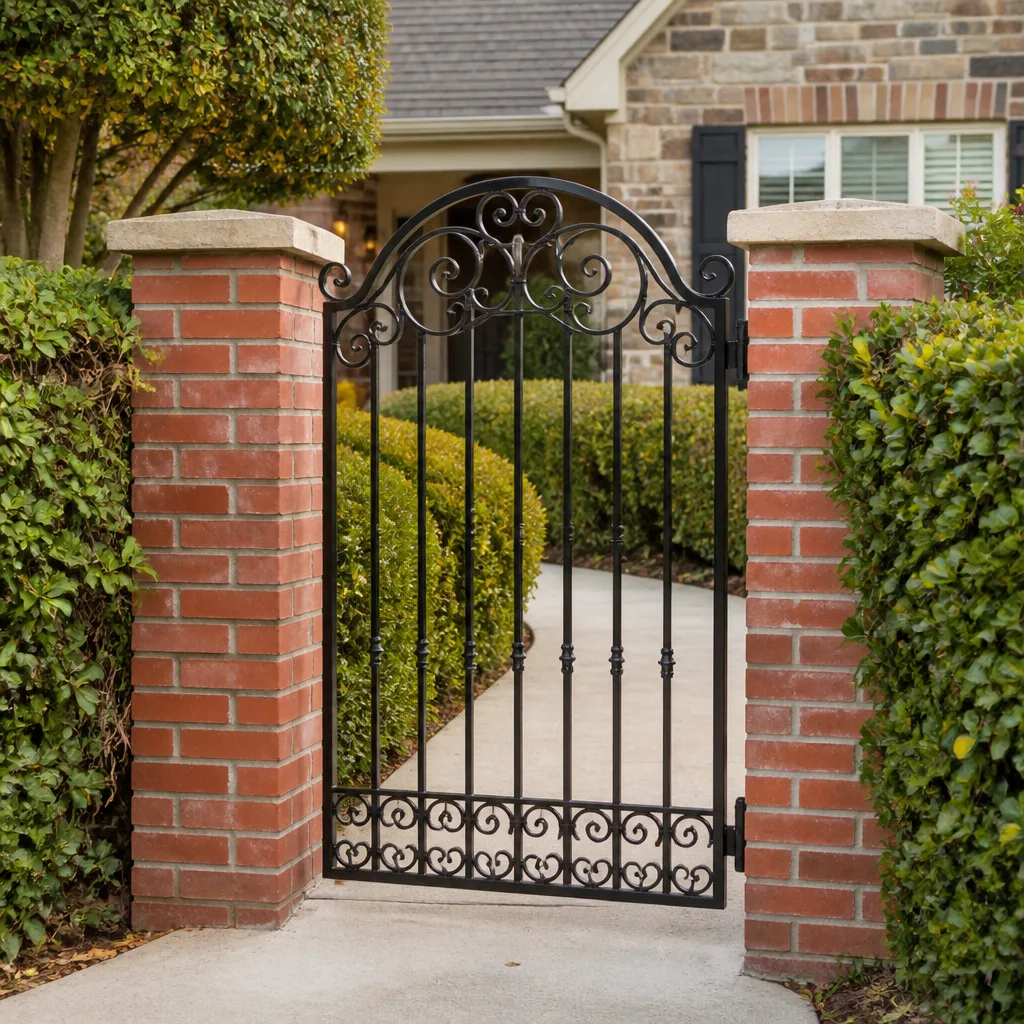 Wrought iron
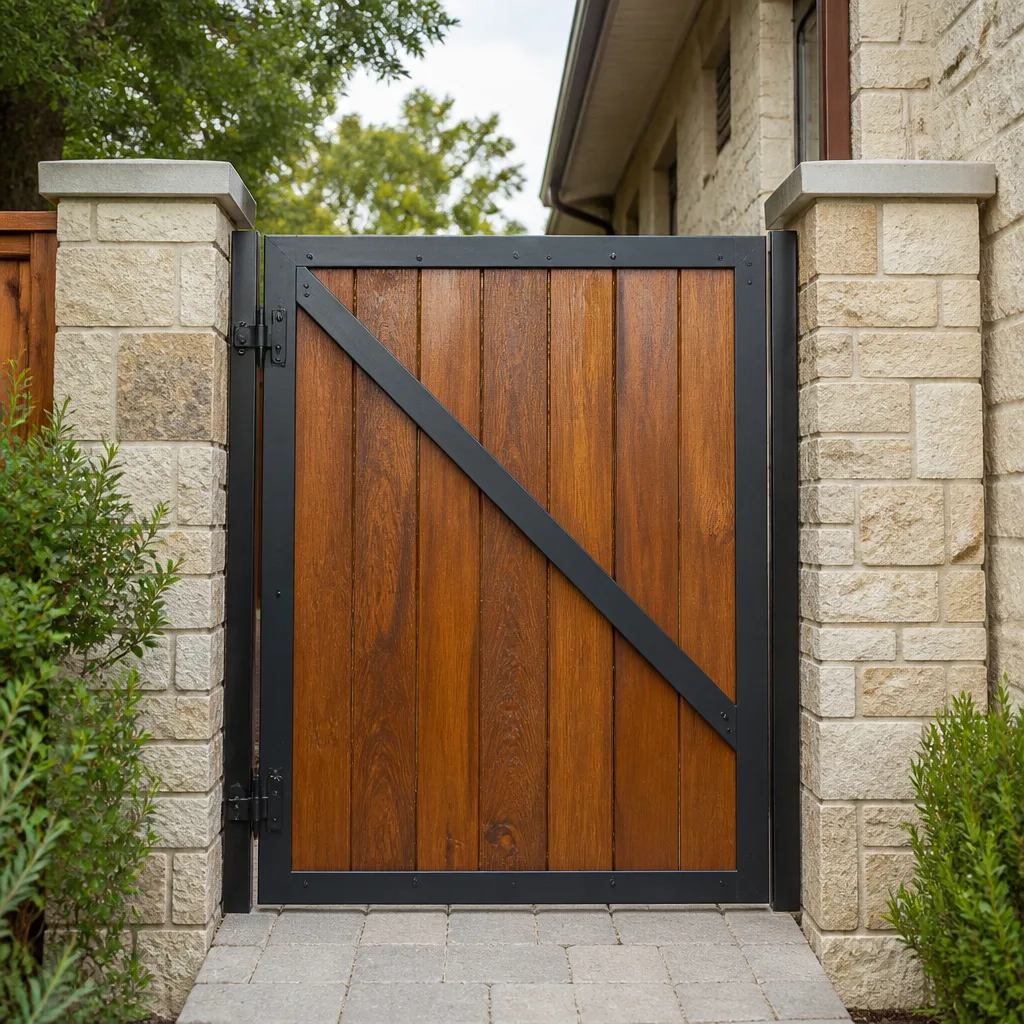 Wood & steel frame
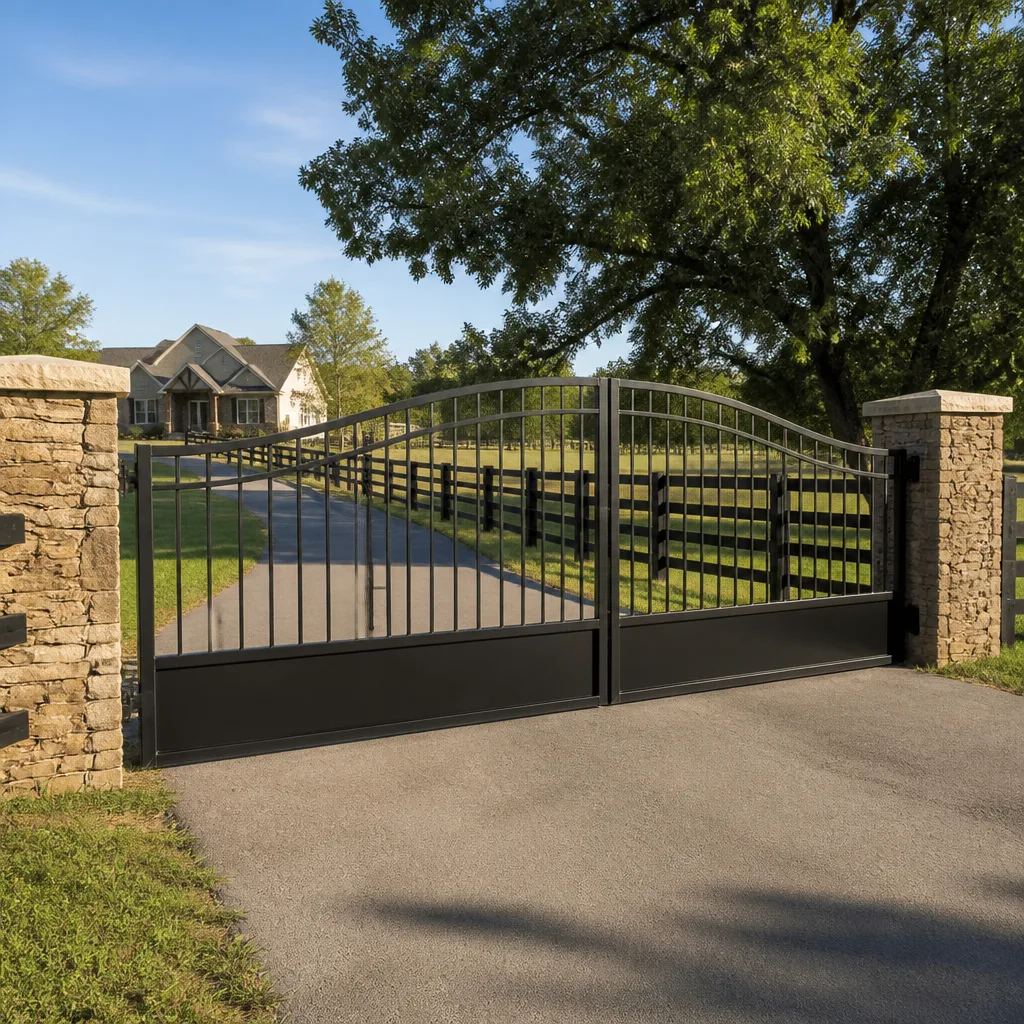 Farm & ranch
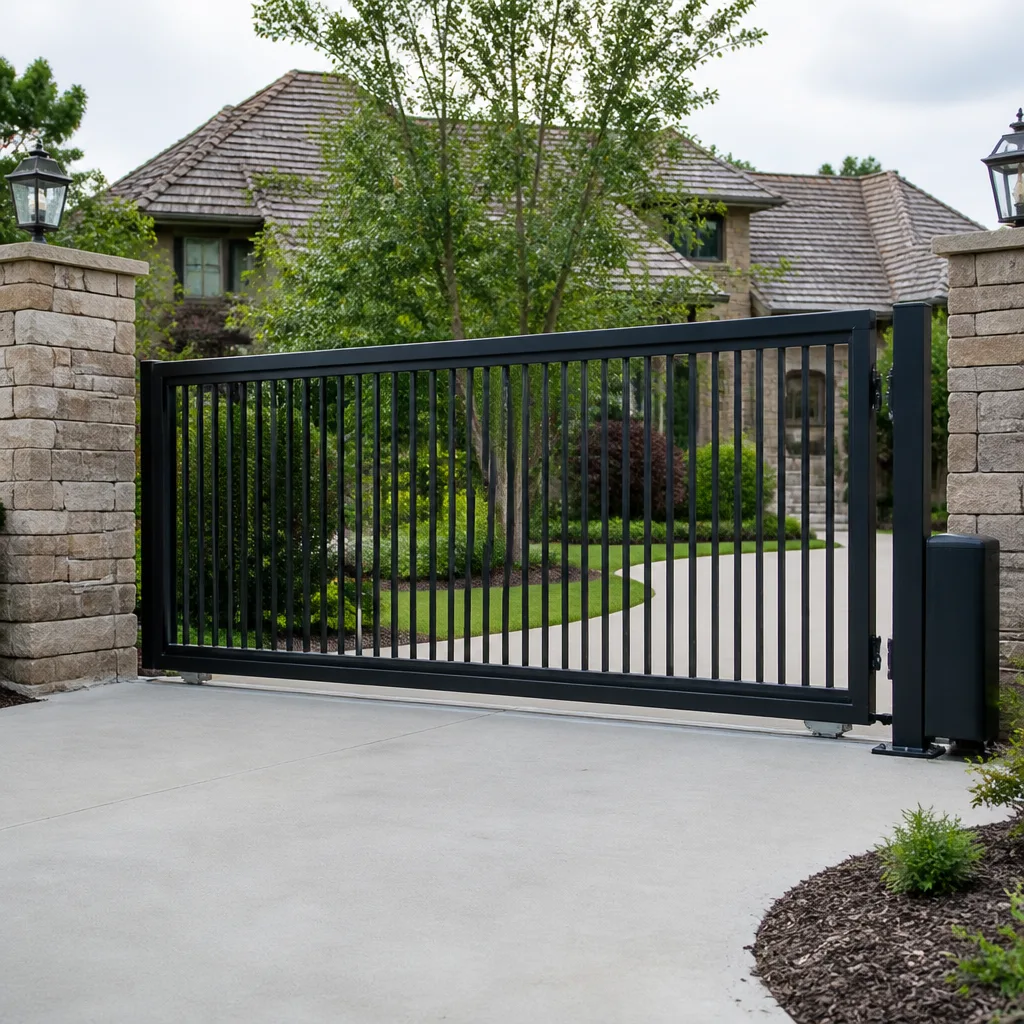 Sliding driveway gates
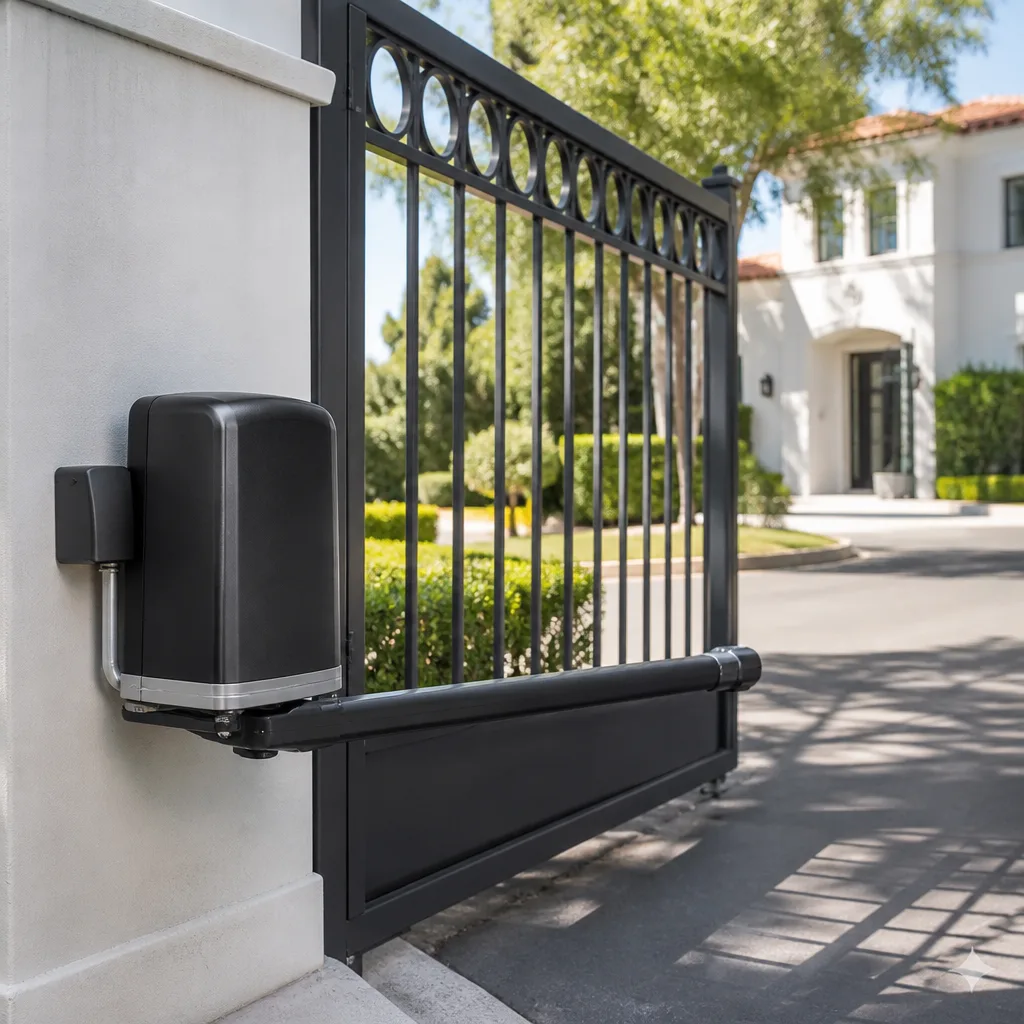 LiftMaster operators
Free on-site gate assessment - hinges, posts, and your LiftMaster or Nice gate operator checked before anything is quoted
The assessment is free and the quote is the invoice.
Get your free estimateGate Repair Cost Breakdown: The Montecito Heights Homeowner’s Reference for 2026
Here’s a number that catches most Montecito Heights homeowners off guard: two quotes for the exact same gate symptom can differ by $650 or more, and both contractors can be telling the truth. One quote covers the part that’s actually failing. The other covers the part you can see. The difference only becomes clear when you understand what you’re being quoted for, and that’s what this guide unpacks. We’re going to walk through real 2026 pricing by repair category, show you why hillside access shifts labor costs, explain the brand parts pricing reality that nobody puts on a flyer, and give you a framework for evaluating any Gate Repair services quote you receive, not just a number to anchor on.
Quick Answer
Gate repair in Montecito Heights typically runs $180 to $1,400 in 2026, with most common repairs landing between $250 and $600. The spread comes down to four variables: what’s actually broken, what brand of operator you have, how hard your driveway is to access on the hillside, and whether the first repair includes the part that matters.
Styles & brands we work with
- Wrought iron
- Wood & steel frame
- Farm & ranch
- Sliding driveway gates
- LiftMaster operators
Table of Contents
- Cost by Repair Category: Real 2026 Ranges for Montecito Heights
- The Montecito Heights Access Premium: What Hillside Driveways Actually Add
- Brand Parts Pricing: Why One Control Board Costs Three Times Another
- The Hidden Cost That’s Not in Any Quote: Callback Rate
- How to Read a Diagnostic Report Like a Second Opinion
- Repair vs. Replace: A Framework for Older Gates
- What a Written Gate Repair Quote Should Include
- Common Mistakes to Avoid
- When to Call a Professional
- Frequently Asked Questions
Cost by Repair Category: Real 2026 Ranges for Montecito Heights
Before we talk numbers, let’s set the frame. We diagnose first at Lighthouse Gate Repair home because the symptom you’re seeing, a gate that grinds, a gate that stops halfway, a gate that won’t open from the keypad, is rarely the component that’s broken. It’s the component downstream of the broken one. So these ranges reflect the repair you actually need, not the repair you think you need, and that distinction is where most sticker shock comes from.
Hinge Replacement
If your gate sags, scrapes the ground on one corner, or has visible rust around the pivot points, you’re looking at hinge work. This is one of the most common repairs we see in Montecito Heights, partly because hillside gates carry more weight on uneven ground and partly because coastal-adjacent air accelerates rust on uncoated steel hardware.
- Parts: $40 to $180 per hinge, depending on gate weight class and material. A lightweight pedestrian gate hinge set runs on the low end. A heavy wrought-iron driveway gate hinge rated for 600-plus pounds runs on the high end.
- Labor: $150 to $350 for a typical two-hinge driveway gate replacement, which includes lifting the gate, grinding off old hardware, welding or bolting new hinges, and re-hanging the gate true.
- Total range: $190 to $530
One thing worth knowing: if your gate has sagged far enough to scrape, the hinges aren’t the only problem. The gate frame itself may have twisted, and a hinge-only fix will fail again within a year. A written diagnosis should tell you whether the frame is still square.
Operator Control Board Replacement
This is the repair homeowners dread because the symptom often looks like a dead operator. Keypad lights up, remote clicks, nothing moves. In a lot of cases that’s a control board, not a motor. The board is the brain; the motor is the muscle. Brains fail more often.
- Parts: $130 to $420 for residential boards across LiftMaster, FAAC, and Elite lines. Commercial boards run higher, typically $450 to $900.
- Labor: $120 to $250, which includes removal, board swap, and reprogramming of remotes, keypads, and safety sensors.
- Total range: $250 to $670 residential, $570 to $1,150 commercial
Here’s where the multi-brand reality plays in. A LiftMaster board for a common residential operator is generally stocked and competitively priced. A board for a less common brand or an older commercial DoorKing unit may need to be ordered, and availability in the Montecito Heights area fluctuates with supplier stock. If one quote comes back at $350 and another at $800 for a “board replacement,” check whether the higher quote includes a brand-specific board that’s actually compatible with your operator, versus a universal board that may work but won’t talk to your existing remote programming correctly.
Loop Detector Replacement
If your automatic gate opens when you drive up but occasionally stays open, or opens when no car is there, or won’t hold open for a second car, the loop detector is often the culprit. The loop detector is the component that senses a vehicle over the underground loop wire and signals the operator to open or hold.
- Parts: $80 to $200 for a replacement loop detector module.
- Labor: $100 to $200, which typically includes testing the existing loop wire first. If the loop wire itself is broken, repair costs rise because the asphalt or concrete needs to be cut and patched.
- Total range: $180 to $400, more if the loop wire itself needs excavation
In Montecito Heights, we see loop failures more frequently on shared driveways and steep approaches where water runoff undermines the loop’s seal over time. A cracked driveway surface near the gate is a warning sign that the loop may be next.
Battery Backup Replacement
Battery backups quietly fail. They don’t make noise. They just stop holding a charge, and the first time you notice is usually a power outage when your gate won’t open manually. Most residential operators with battery backup should have the battery replaced every three to five years, and we recommend checking it annually if your gate is your only entry point.
- Parts: $90 to $250 for residential sealed lead-acid or lithium replacement batteries.
- Labor: $75 to $150, which includes removing the old battery, testing the charging circuit, and confirming the gate cycles correctly on backup power.
- Total range: $165 to $400
Complete Operator Swap
When the motor, control board, and gear train are all worn, or the operator is old enough that individual parts are no longer manufactured, the honest recommendation is a full operator replacement. This is not a repair so much as a repair-decision outcome, but it’s important to include because it’s the ceiling of most repair conversations.
- Parts: $600 to $2,200 depending on brand and weight class. A Mighty Mule residential operator runs on the lower end. A heavy-duty Elite or FAAC swing or slide operator runs toward the top.
- Labor: $300 to $700, which includes removing the old operator, installing the new one, setting travel limits, programming remotes and keypads, and testing safety entrapment protection.
- Total range: $900 to $2,900
This is where repair-vs-replace math matters most. If your operator is 15 years old and the board alone costs $600, spending $1,400 on a new operator with a fresh warranty is often the better long-term call. A brand-agnostic gate specialist will tell you that without a commission tied to a specific manufacturer.
The Montecito Heights Access Premium: What Hillside Driveways Actually Add
Here’s a cost variable that flat, suburban pricing guides never mention: your driveway’s geometry. Montecito Heights isn’t flat. A lot of the residential streets climb, and many driveways are cut into the hillside with steep approaches, tight turns, or retaining walls on one side. That’s legitimate labor time.
Here’s what a reasonable access consideration looks like in a gate repair quote for this area:
- Steep driveway approach: Technicians need to stage tools and parts differently. A gate that can’t be accessed by a van parked on the slope means gear gets carried. That adds 30 to 60 minutes per visit, before any repair work starts.
- Tight turn radius into the driveway: If a standard service vehicle can’t pull in or safely turn around, the technician needs to find street parking and walk tools in. In Montecito Heights, that can mean parking a block away on a narrow street and hauling a 50-pound operator downhill.
- Retaining wall or cliffside gate placement: Some gates sit right against a slope face, which means the working side of the gate is cramped. Simple jobs like hinge bolt access take longer than they would on a flat pad.
A fair access surcharge for these conditions is typically $50 to $150 added to labor, depending on severity. That’s not a red flag. A $400 access surcharge is a red flag unless the job genuinely requires special equipment like a crane or lift, which almost never happens for gate repair.
What you should expect from any Montecito Heights gate contractor is that the quote accounts for access explicitly. If a contractor gives you a verbal price over the phone without asking about your driveway slope, you’re getting a best-case number that will climb when they see the site. We include access in the estimate, and the price is quoted and agreed before any work starts. That should be the standard, not the exception.
Brand Parts Pricing: Why One Control Board Costs Three Times Another
Now we get to the part of gate repair pricing that almost no one explains: the brand factor. Different gate operator brands have very different parts pricing structures, and that has nothing to do with one brand being “better” and everything to do with market share, production volume, and distribution models.
Here’s the reality, using brands we work on every week:
- LiftMaster has massive production volume and a wide distribution network, which keeps residential board pricing competitive. A common LiftMaster board might run $130 to $200 retail.
- Elite positions itself in the higher-end residential and commercial range. Parts are high quality, but they’re not mass-produced at the same scale. A comparable Elite board can run $350 to $550.
- FAAC is an Italian brand with a strong commercial and high-end residential presence. Parts often ship from fewer domestic warehouses, and that import and distribution cost gets passed through. Board pricing can run $400 to $700 depending on the model.
- Mighty Mule occupies the DIY-friendly entry-level space. Parts are widely available at consumer outlets, often running $80 to $150 for control boards.
Now let’s apply that to a real decision. Say your gate operator won’t respond to the remote, and the diagnosis is a failed control board. If you have a Mighty Mule, a new board is $100 to $150, and the repair is an obvious yes. If you have an older FAAC commercial operator and the board is $600 with a two-week order window, you now have a genuine repair-vs-replace conversation. That board cost is two-thirds of a complete new operator for a residential gate, even if it’s only one component for a commercial one.
This is why the brand matters so much to the quote you’ll get. It’s also why working with a brand-agnostic gate specialist matters. A technician who only sells one brand will always frame the repair around that brand’s parts availability, even if an equivalent part from another manufacturer would do the job for less. We work on LiftMaster, FAAC, BFT, Linear, Viking, Ghost Controls, DoorKing, Elite, and Mighty Mule, so our recommendation isn’t shaped by what’s on our shelf. It’s shaped by what makes sense for your gate.
The Hidden Cost That’s Not in Any Quote: Callback Rate
Here’s the cost variable that separates a good gate repair from an expensive lesson: how many return visits the repair requires. A $400 repair that takes three visits costs more, in both money and frustration, than an $800 repair done right the first time. But no quote line-item covers “return visit likelihood,” so most homeowners can’t see it.
Here’s how it works in practice. The first visit is diagnosis. If the diagnosis is incomplete, the technician fixes the symptom they found, leaves, and the gate fails again in two weeks because the underlying cause was never addressed. Now you have a second visit, maybe a second service charge, maybe a new part, and the clock restarts. That’s not a repair, that’s a subscription.
A thorough diagnosis should include:
- Voltage readings at the operator, control board, and safety sensors to identify where the signal chain is actually breaking.
- Mechanical inspection of hinges, wheels, track, and gate alignment to determine whether the electrical problem was caused by mechanical stress.
- Cycle testing under load to see how the operator performs when the gate is actually moving, not just when it’s sitting still.
- Documentation of findings in writing, with parts and labor costs itemized before any work begins.
A gate operator that fails because of a binding hinge will always fail again if the hinge isn’t addressed. A board that fails because the motor is drawing too much current will burn out the replacement board too. The callback rate is the unadvertised difference between a repair that treats a symptom and a repair that treats a cause. Ask any contractor you’re considering how their diagnostic process works. If they can’t describe it, you’re buying a guess.
How to Read a Diagnostic Report Like a Second Opinion
If you’re getting wildly different quotes for the same gate problem, the diagnostic report is your most powerful tool. It’s also the thing most contractors don’t provide. We write ours down for a reason: a written diagnosis forces precision. “Gate won’t open, needs control board” is a guess. “Gate fails to open from keypad and remote; voltage at board input terminals reads 24.6V, output to motor reads 0V when activated, indicating board relay failure after eliminating sensor and loop inputs” is a diagnosis.
Here’s what a usable diagnostic report should contain:
- The observed symptom: What the gate does or doesn’t do, in specific terms. “Doesn’t open from keypad” is not the same as “Doesn’t open from keypad or remote.”
- What was tested and the result: Voltages, resistance readings, sensor continuity, loop detector status. Numbers, not adjectives.
- What was eliminated: What’s working fine. If the safety sensors tested good, the report should say so. This is the cross-examination part that separates a diagnosis from a hunch.
- The identified failure: The specific component or components that need replacement.
- Parts and labor costs, itemized: So you can compare apples to apples across quotes.
- The recommended repair, plus what happens if it’s not done: A gate that fails closed is an access problem. A gate that fails open or reverses under pressure is a safety hazard.
If a contractor won’t give you a written diagnosis, treat that as a data point. A verbal quote with no documentation is an invitation to scope creep. Use the report as a second-opinion tool: bring ours to another contractor and ask them to verify the findings. A legitimate gate technician won’t have any problem with that. In fact, we recommend it. A diagnosis that holds up to scrutiny is one you can trust.
Repair vs. Replace: A Framework for Older Gates
At some point, every gate operator reaches a decision point: keep repairing, or replace the system. The rule of thumb we use is simple: if the cost of a needed repair exceeds 50% of the cost of a new operator, and the existing operator is more than ten years old, replacement usually makes more sense. The math works because a new operator comes with a new warranty, and warranties are worth real money on gates that get daily use.
But there’s a second variable that’s less obvious: parts availability. Some older operators, especially those from brands that have consolidated or discontinued product lines, become harder to repair over time regardless of condition. A control board that’s been on backorder for eight weeks isn’t a repair. It’s a waiting period with your gate out of service.
Here’s the framework we walk Montecito Heights homeowners through:
- Gate age under 7 years: Repair is almost always the right call, unless the repair exposes a design problem that will recur.
- Gate age 7 to 12 years: Repair if the part is available quickly and the repair cost is under 40% of replacement. Otherwise, get a comparison quote for replacement.
- Gate age over 12 years: Strongly consider replacement for any repair over $500, especially if the brand’s domestic parts supply has tightened.
- Commercial applications: Security and uptime matter more than capital cost. A property manager with tenant access issues on a DoorKing system may choose replacement earlier than a homeowner would, and that’s rational.
We service what you have. If your Mighty Mule has a bad board and a new board is $110, that’s the fix, not a sales pitch for a new operator. But if your 14-year-old operator needs a board, a gear train, and a battery backup within a six-month period, that’s a pattern, not a coincidence. The honest answer at that point is replacement. Your Gate Repair in Montecito Heights decision should factor in total remaining life, not just the next invoice.
What a Written Gate Repair Quote Should Include
After reading this far, you can probably already build this list yourself, but here’s the short version – one of many more guides & resources we offer. A legitimate gate repair quote in Montecito Heights should include six things, and if any are missing, ask for them in writing before you sign anything.
- Itemized parts with brand names: “Control board” isn’t enough. “FAAC 455D control board” is enough. You have a right to know exactly what part is going into your gate.
- Itemized labor with hours: You should see the expected time and the labor rate. Flat-rate pricing is fine, but the quote should still state what that flat rate covers.
- Access consideration: If your Montecito Heights driveway requires additional labor time, it should be a line item, not a buried surprise.
- Diagnostic findings: The quote should reference the diagnosis, not just the symptom.
- The total price, before work starts: No ranges, no “subject to change,” no “we’ll see how it goes.” The price is quoted and agreed before any work starts.
- Warranty terms: What’s covered, for how long, and what voids it.
This is not an unreasonable standard. It’s the minimum. A gate specialist who does this work every day can produce an itemized quote quickly because they’ve seen your exact issue before. If someone’s quoting process feels vague, their repair process probably is too.
Common Mistakes to Avoid
- Accepting a quote based on symptom, not diagnosis. “Gate won’t open” generates a wide range of quotes because it’s not a diagnosis. Get the diagnosis first, then compare prices on the actual repair.
- Choosing the cheapest quote without comparing parts. A $350 “board replacement” that uses an off-brand generic board may not communicate with your existing remotes, and the follow-up programming visit eats the savings.
- Ignoring the mechanical system. In Montecito Heights, where hillside gates stress hinges and frames differently than flat-lot gates, a purely electrical repair will fail early if the gate is out of alignment. The electrical system is the victim, not the cause, in a lot of these cases.
- Delaying a repair on a gate that fails open. A gate that won’t close is a security problem. A gate that reverses direction under pressure is a safety problem. Neither one waits well.
- Paying for a callback without asking why. If a repair fails within 30 days, that’s a callback, and a legitimate gate company shouldn’t charge you for a return visit on work they just did.
- Assuming all gate brands cost about the same to repair. They don’t, and this guide’s brand pricing section explains the real differences.
- Replacing the whole operator when only a board failed. This is the classic upsell. A $150 board repair on a five-year-old operator is a good deal. A $1,200 operator replacement for the same issue is not.
When to Call a Professional
Gate operators use high-torque motors, tensioned chains, and in some cases 120V or 240V electrical connections. The work is not inherently dangerous in the way high-tension garage door springs are, but it’s not a casual DIY project either. If you’re dealing with an operator that’s not responding, a gate that’s sagging and scraping, a keypad that clicks but doesn’t activate, or any repair that requires accessing the control board wiring, call a dedicated gate technician. The diagnosis alone, done properly, saves you money by eliminating guesswork. Electric Gate Repair in Montecito Heights is what we do every day, not a side category. Gate Installation in Montecito Heights is part of the same scope if your repair conversation leads to replacement. Lighthouse Gate Repair offers free estimates in Montecito Heights; call (866) 569-5320 and we’ll tell you what we’re seeing before we touch anything, so you know exactly what you’re paying for.
Frequently Asked Questions
Most gate repairs in Montecito Heights run between $250 and $600 in 2026, with the full range spanning about $180 for a simple hinge fix to $1,400 or more for a complete operator replacement. The four variables that move your number are the specific component that failed, the brand of your operator, the access difficulty of your hillside driveway, and the callback rate of the contractor you choose. Call (866) 569-5320 for an exact quote; estimates are free.
Emergency gate repair depends on current scheduling and the nature of the failure. Call (866) 569-5320 and describe what’s happening, including whether the gate is stuck open, stuck closed, or moving erratically. We’ll give you a straight answer on timing before any commitment is made.
Most likely, the two quotes are for different underlying repairs. One may cover only the visible symptom while the other addresses the root cause, or the quotes may use different brand parts with different prices. Ask both contractors for a written diagnostic report, itemized parts, and labor, and compare the actual scope of work. A $650 spread often represents two different jobs wearing the same description.
A complete gate installation includes the gate itself or operator system, hinges, mounting hardware, control board, remotes or keypad, safety sensors or entrapment protection, and the power connection to your electrical service. Exact scope depends on whether this is a swing gate, slide gate, or new operator on an existing gate. Call (866) 569-5320 for a written scope tailored to your Montecito Heights property.
Yes. Power connection to the operator and safety edge or photo-eye installation are both part of the gate installation and electric gate repair scope. We treat these as standard components of a working automated gate system, not add-on line items.
A properly diagnosed and completed gate repair should last years, not months, for the component that was replaced. Hinges and batteries are wear items with shorter service lives by design. If a repair fails within 30 days, a callback should be covered under the original repair; if it fails repeatedly, the underlying cause was likely never addressed. Following a Gate Repair Maintenance Checklist for Montecito Heights Homeowners can help catch these issues early. At Lighthouse Gate Repair, we diagnose first and document everything, so you know what was fixed and why.
The Bottom Line
Gate repair pricing in Montecito Heights looks inconsistent because it reflects real complexity: which component failed, what brand it belongs to, how hard the site is to access, and how thoroughly the diagnosis was done. A good quote itemizes all of that, and a good gate specialist explains it in plain language without pushing you toward a brand they happen to sell. When you understand what’s actually being quoted, the spread between $400 and $800 stops looking like a mystery. It looks like a scope difference. And scope differences are negotiable only if you know they exist. Call (866) 569-5320 and we’ll give you a written diagnosis and a real number before any work begins.
Written by the team at Lighthouse Gate Repair, serving Montecito Heights since 2018.
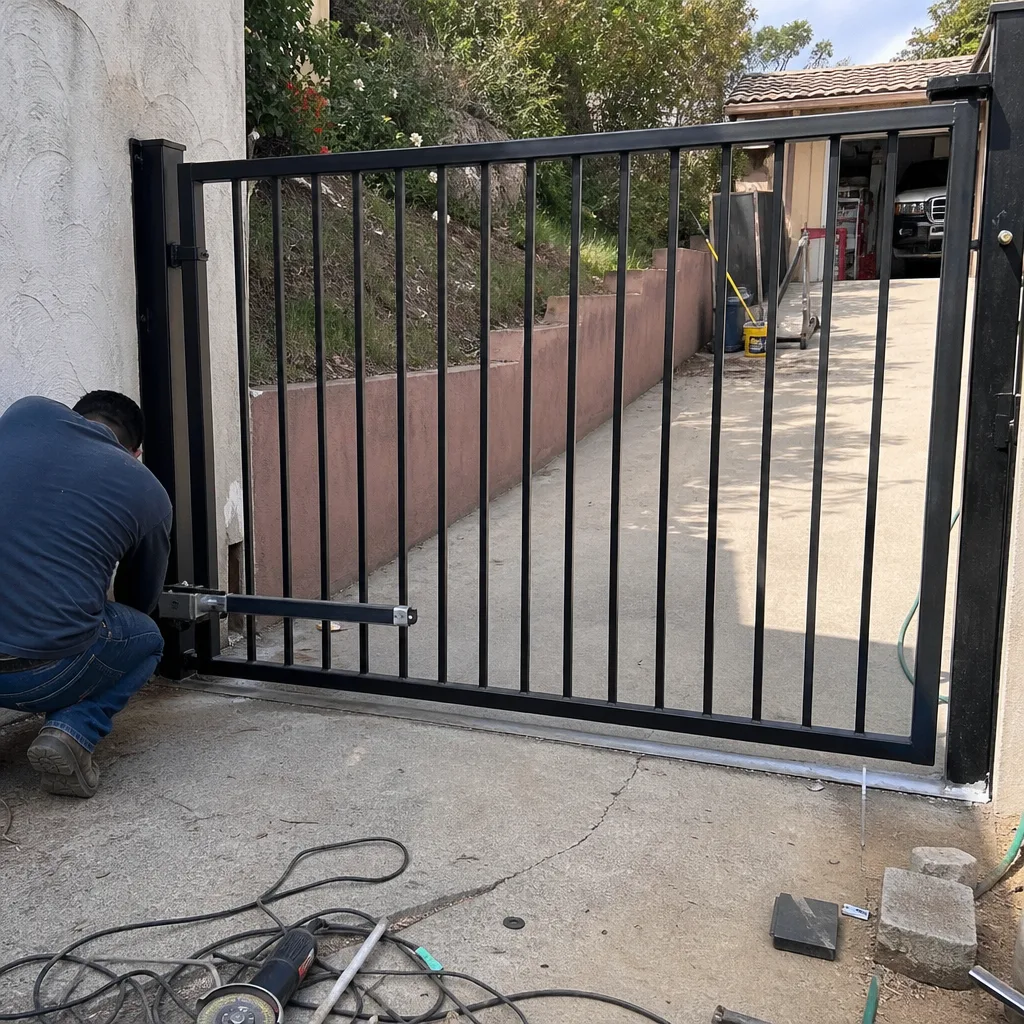
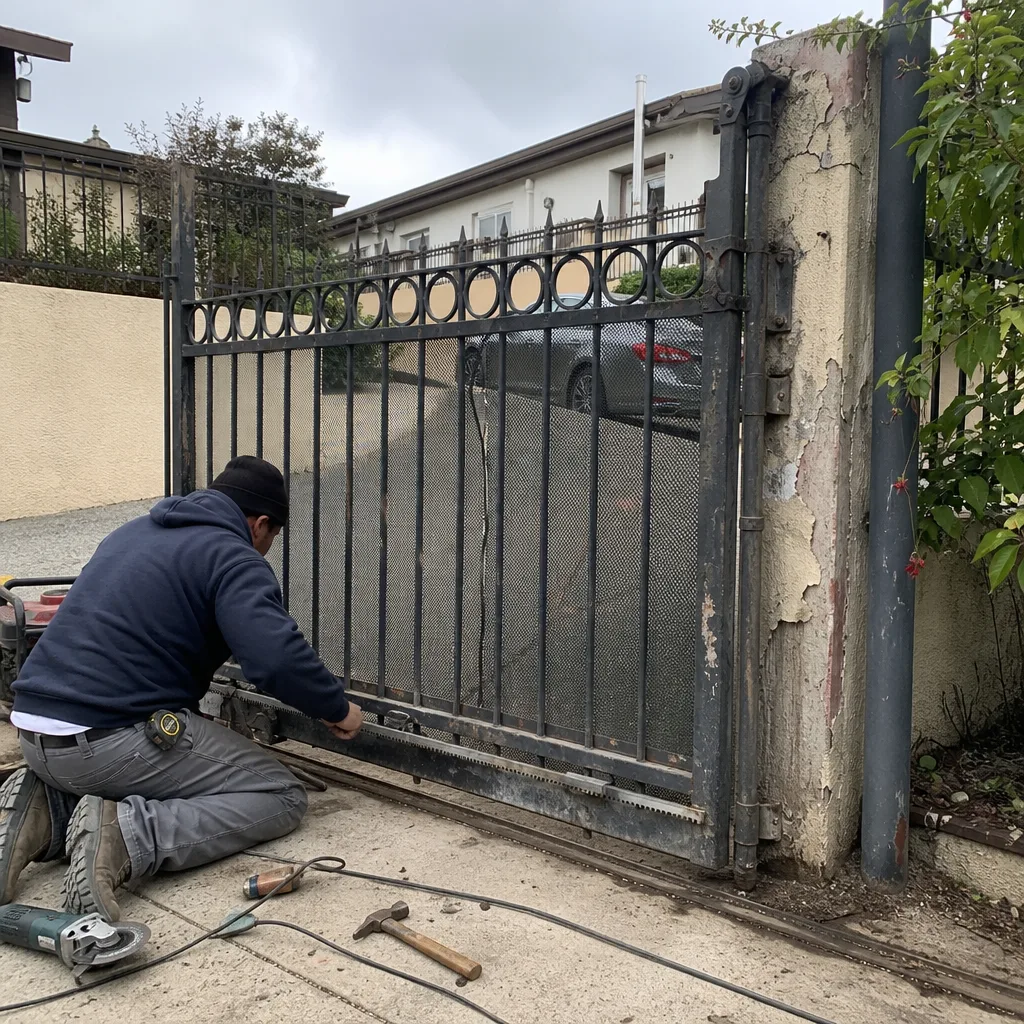
See the difference
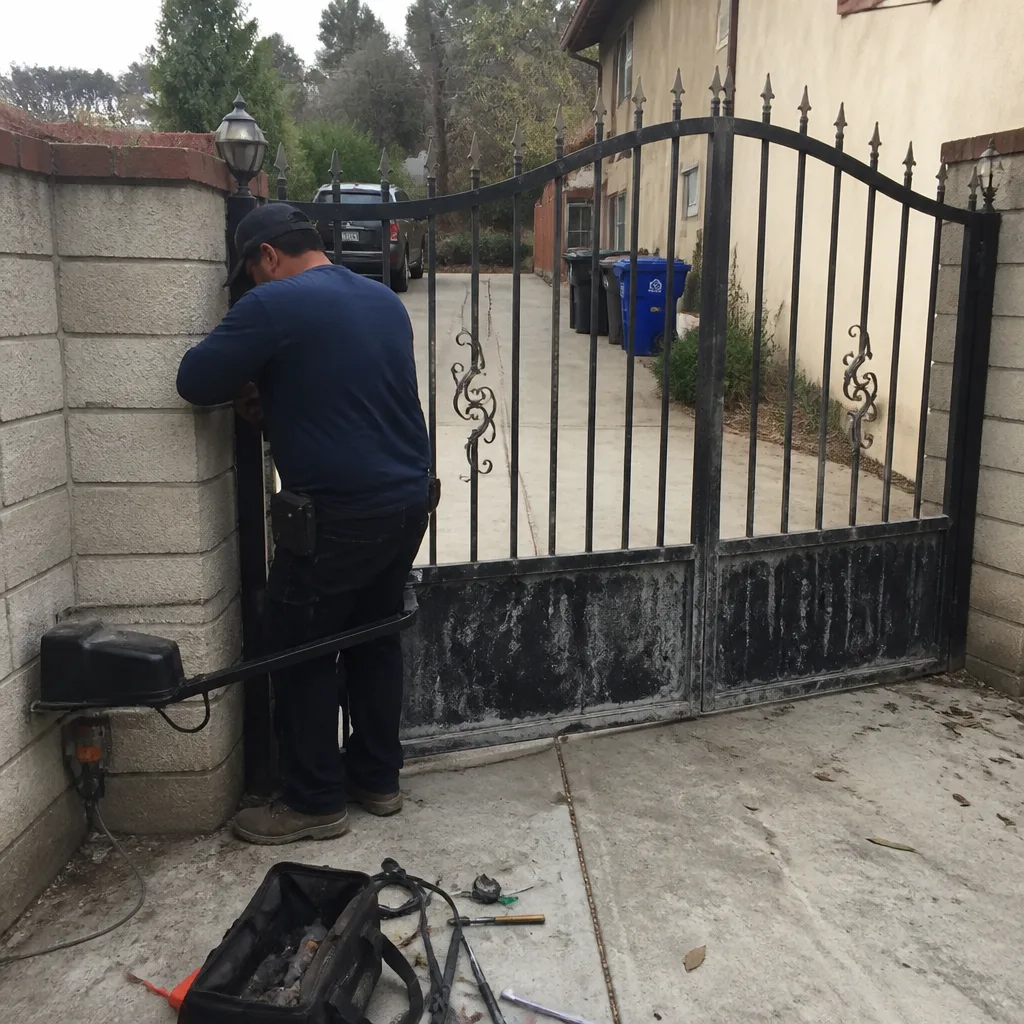 Before
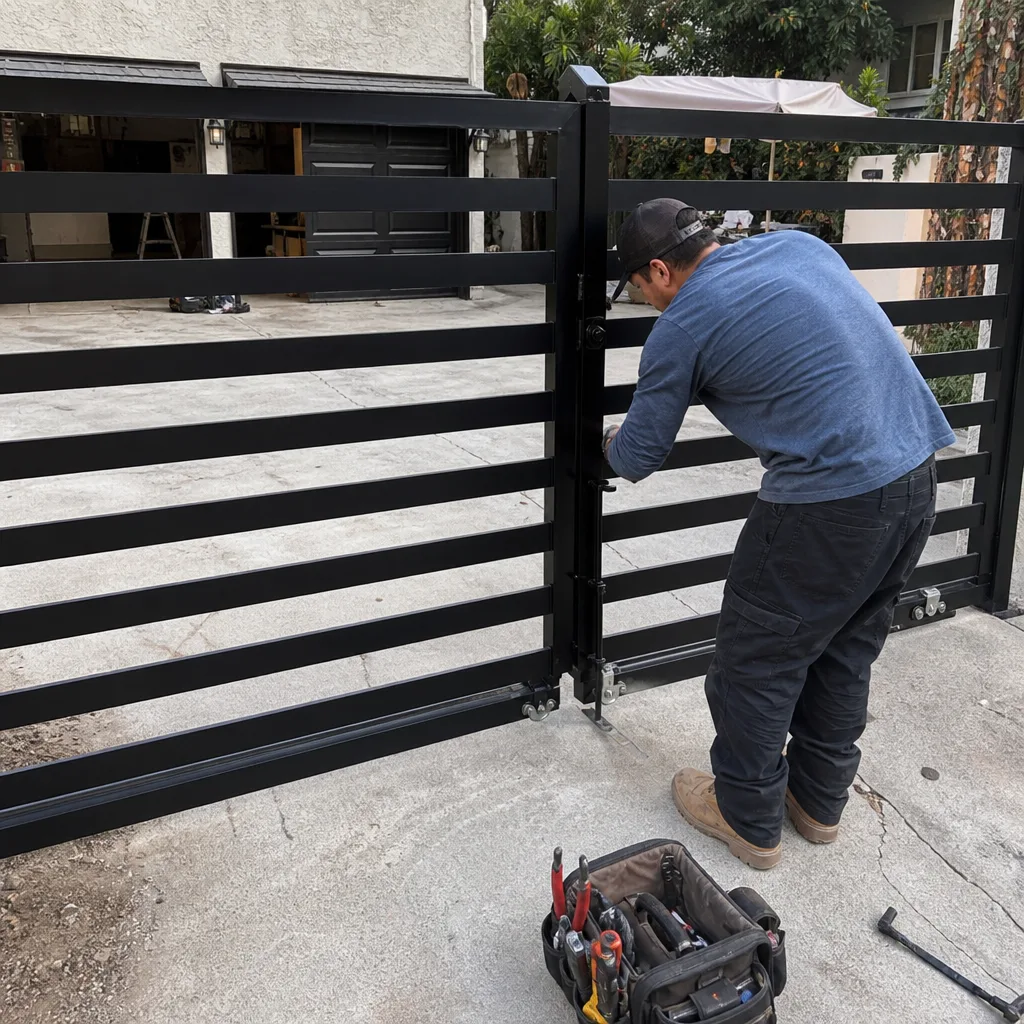 After
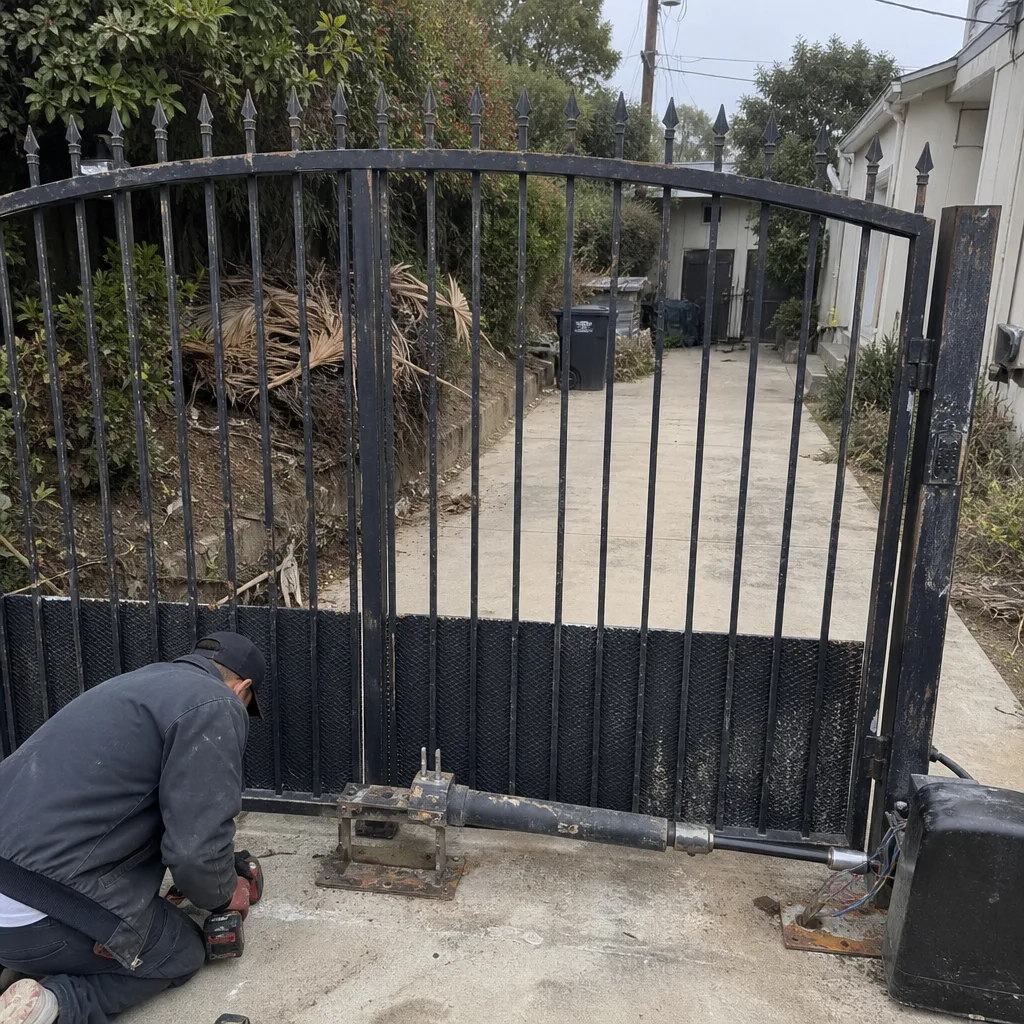 Before
 After
 Before
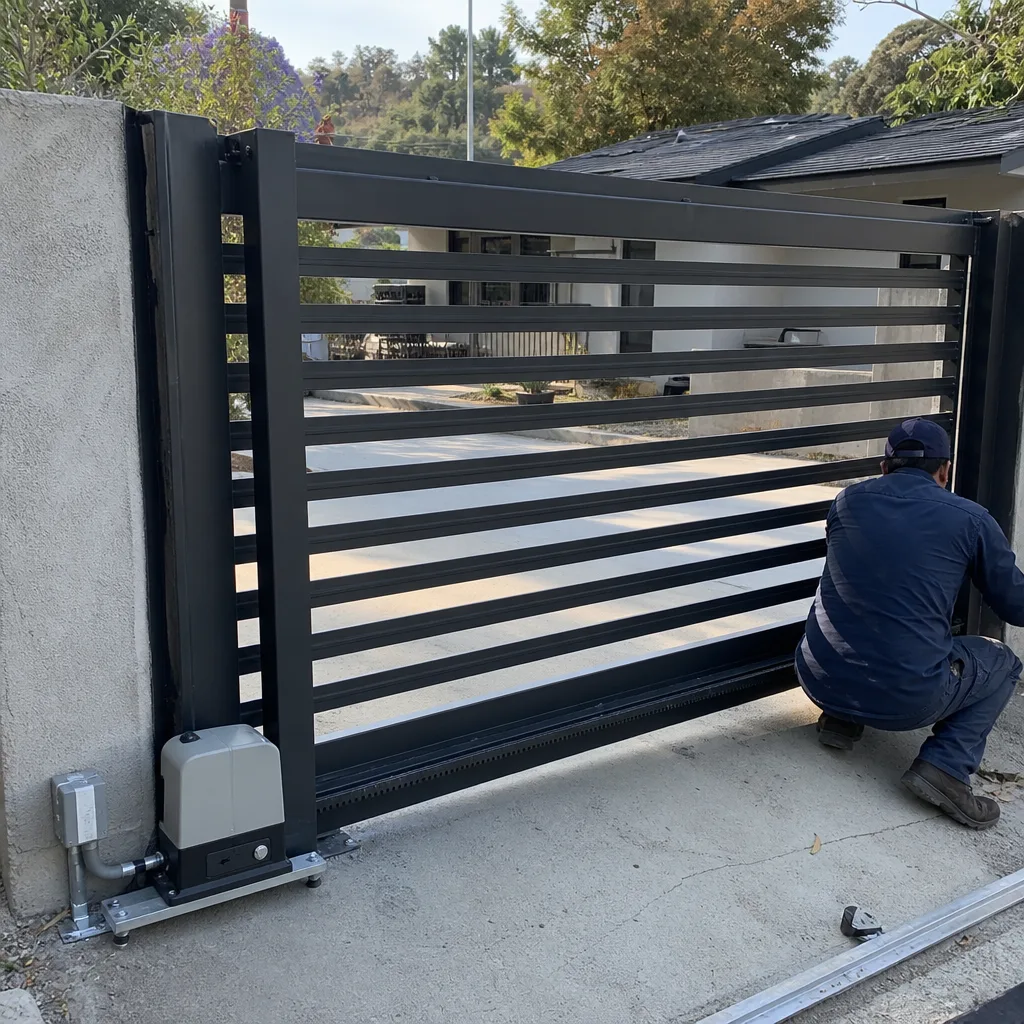 After