
Last updated November 2, 2026
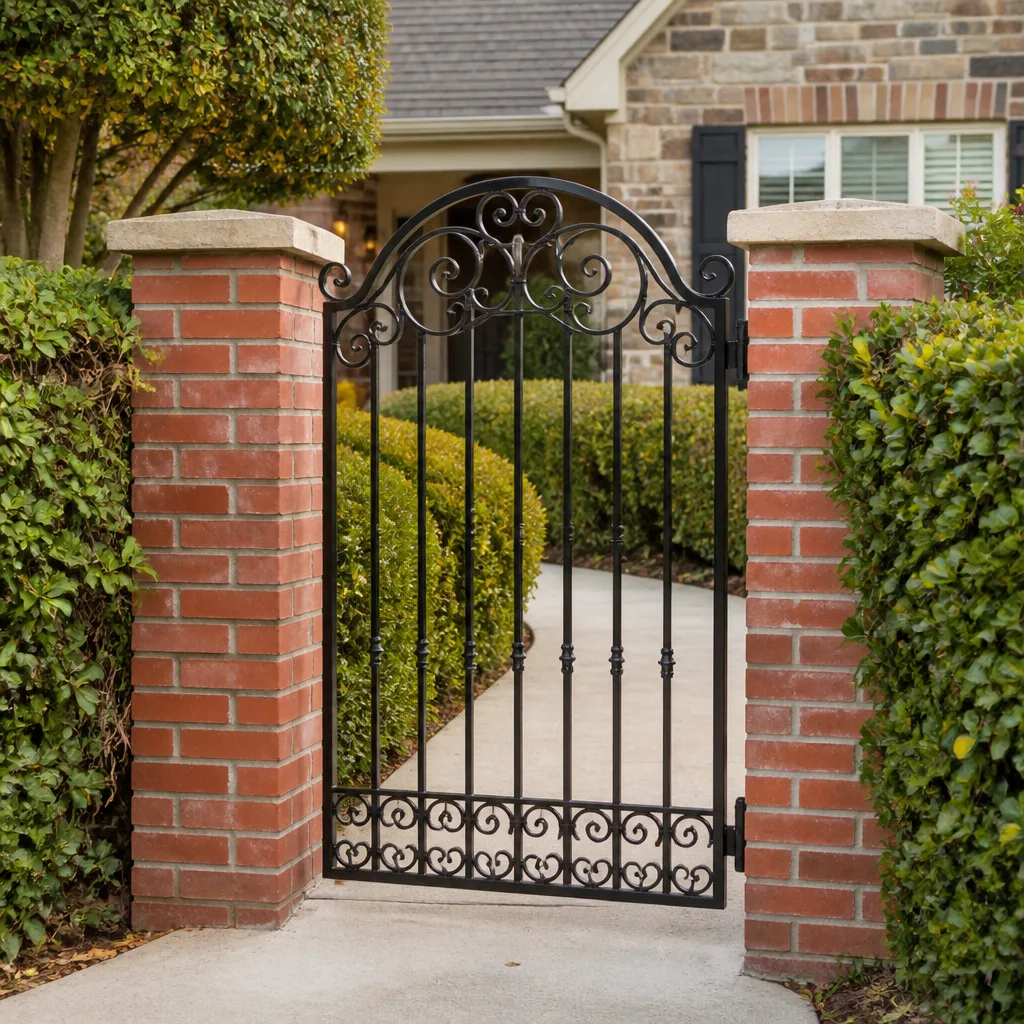 Wrought iron
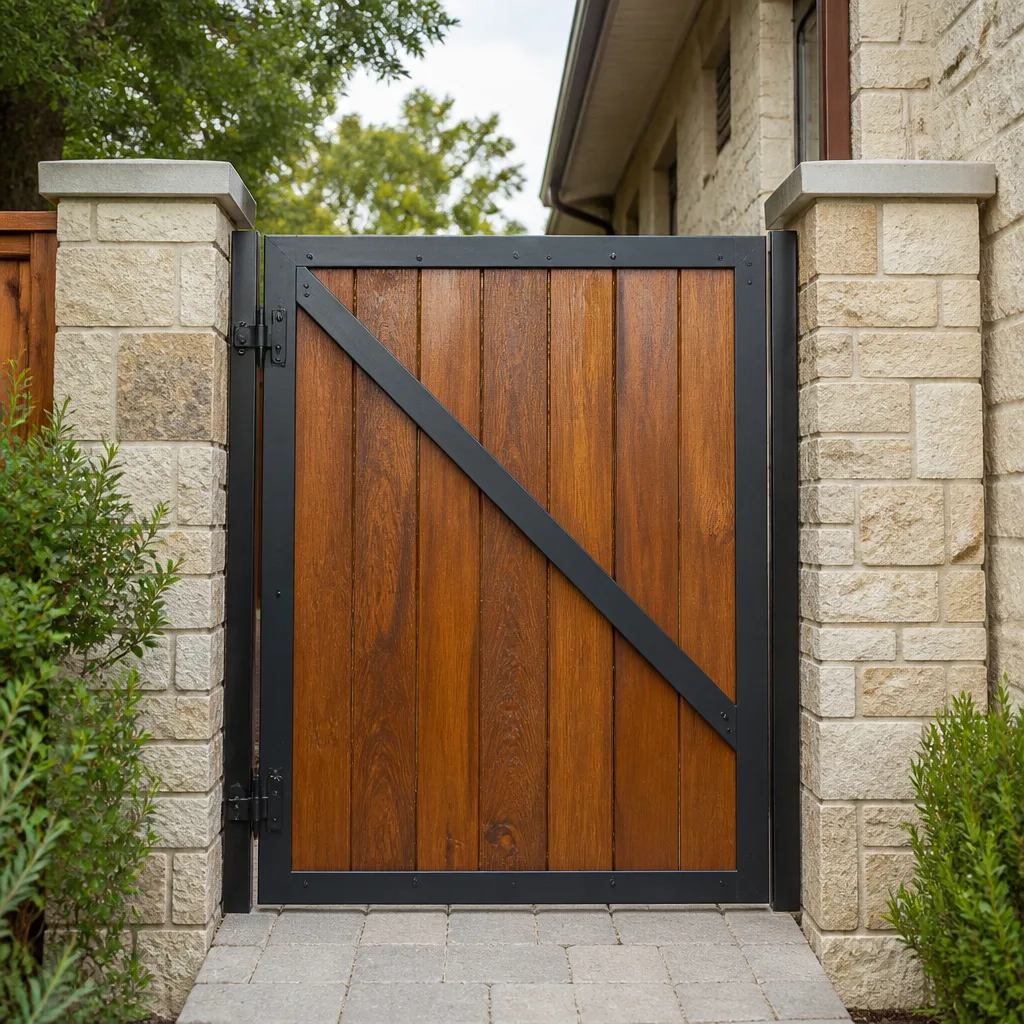 Wood & steel frame
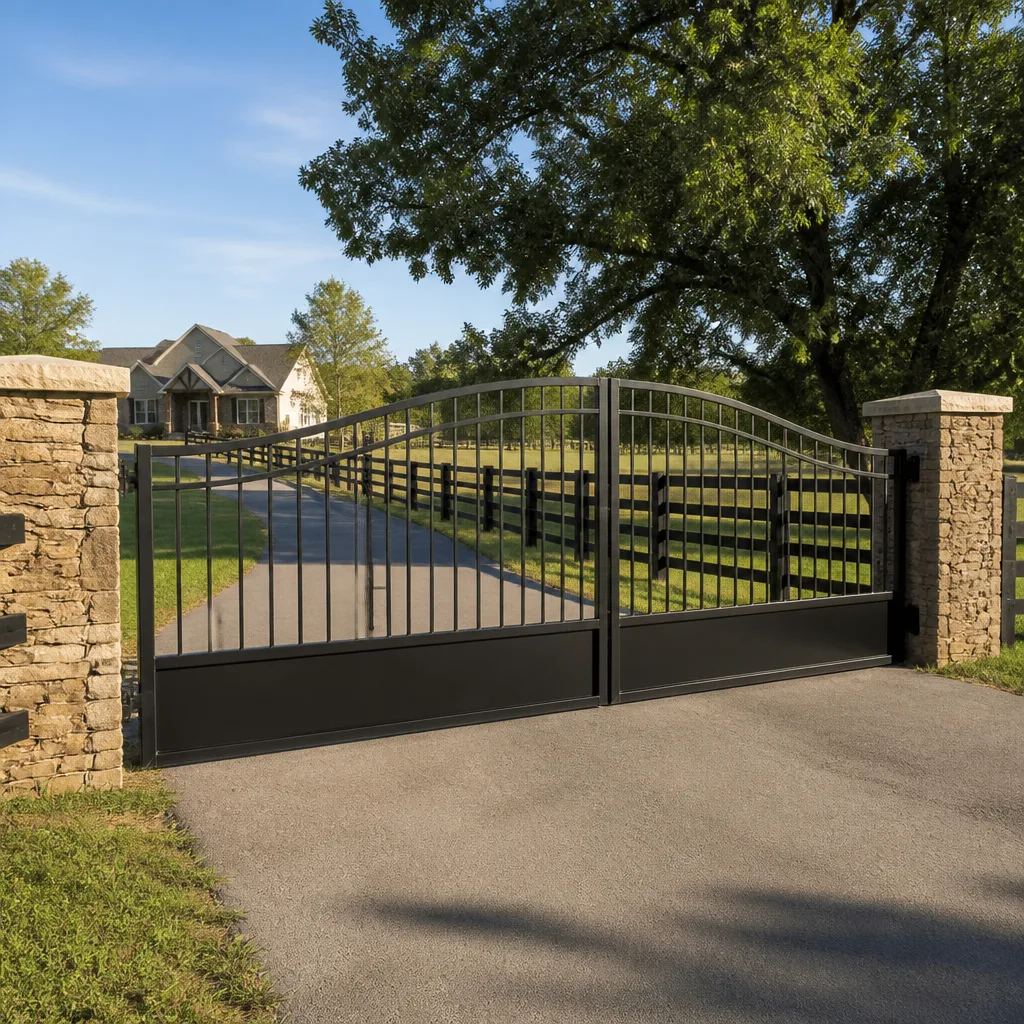 Farm & ranch
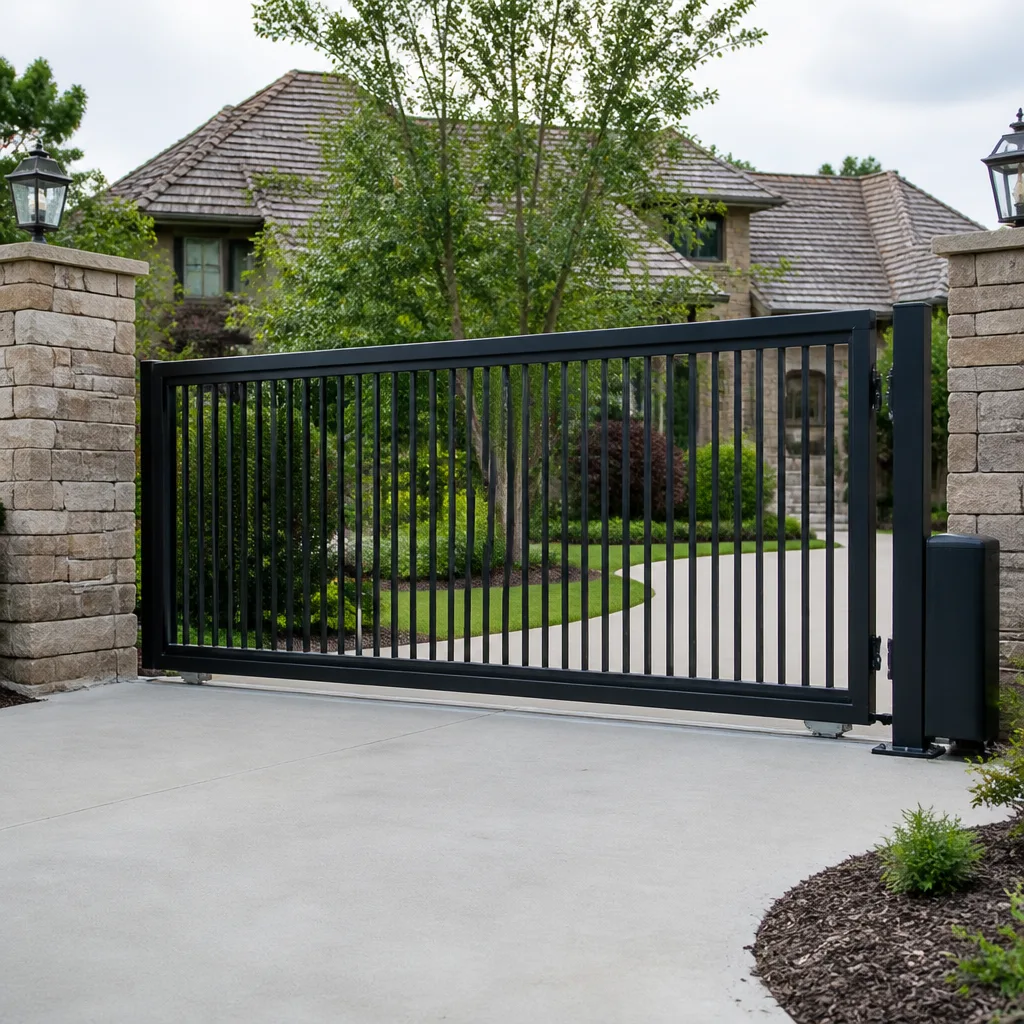 Sliding driveway gates
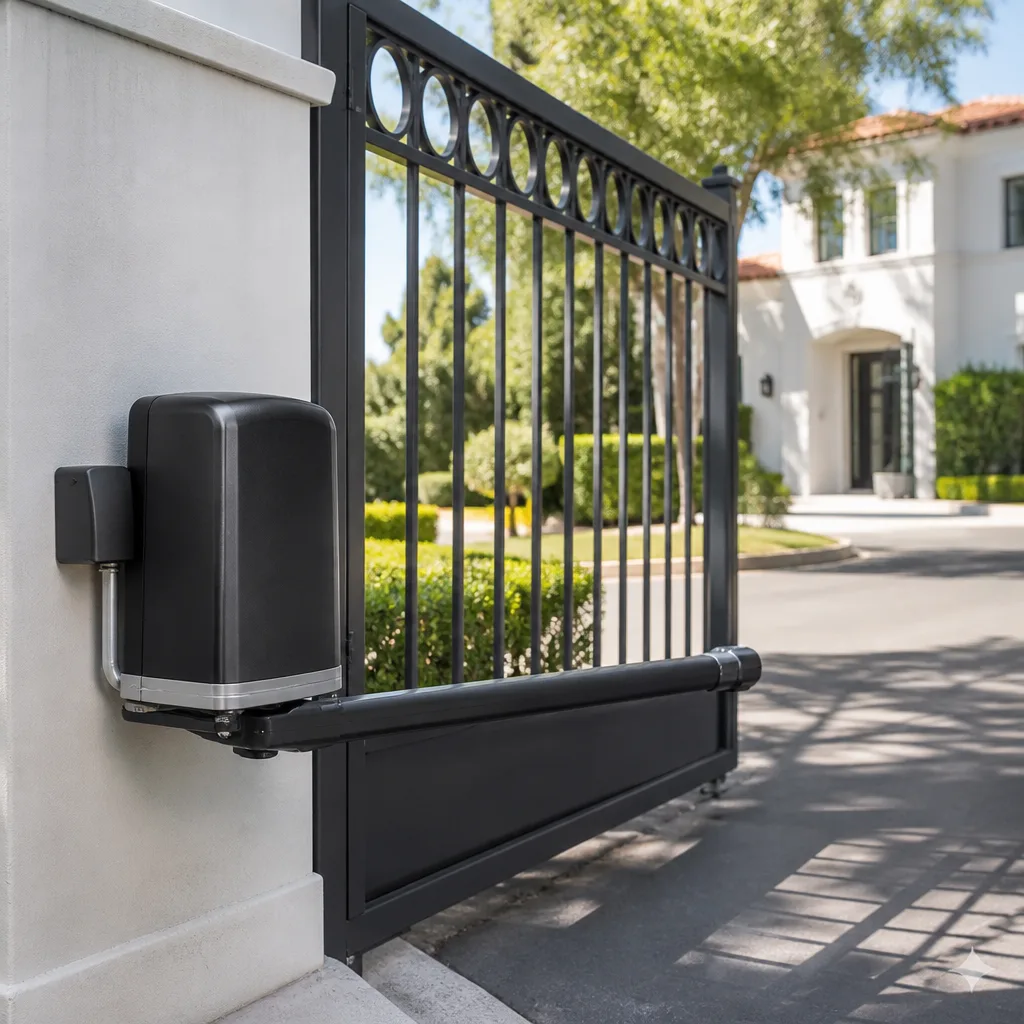 LiftMaster operators
Free on-site gate assessment - hinges, posts, and your LiftMaster or Nice gate operator checked before anything is quoted
The assessment is free and the quote is the invoice.
Get your free estimateDIY vs Professional Gate Repair: The Montecito Heights Homeowner’s Decision Guide
Gate operators run on 24-volt logic but connect to 120-volt mains. That means the low-voltage outputs you can see and touch are mostly safe, but the input side of a control board will send you to the hospital if you’re probing around without knowing which terminals are which. Every year we get called to Montecito Heights homes where a capable homeowner started with a simple fix and ended up with a fried control board, a misaligned safety sensor, or a gate that reversed into a car. This guide draws the line between what’s safe to do yourself and what belongs in the hands of a dedicated gate technician. You’ll learn exactly which five tasks are DIY-appropriate, which four you should never attempt, what professional repair actually costs in this part of Los Angeles, and how to avoid the mistakes that turn a $200 fix into a $2,000 replacement.
Quick Answer
DIY gate repair in Montecito Heights is appropriate for five low-risk tasks: lubricating hinges, checking visual alignment, replacing remote batteries, practicing the manual release, and clearing obvious obstructions. Everything else, especially anything touching 120-volt wiring, safety sensors, loop detectors, or entrapment protection, belongs with a professional. A gate that fails to reverse on contact is a safety hazard, not a weekend project, and homeowners who adjust force settings themselves assume legal liability if someone gets hurt.
Styles & brands we work with
- Wrought iron
- Wood & steel frame
- Farm & ranch
- Sliding driveway gates
- LiftMaster operators
Table of Contents
- The DIY-Safe List: Five Tasks Any Montecito Heights Homeowner Can Do
- The Professional-Only List: Four Tasks You Should Never Attempt
- The Liability Argument Most Guides Skip
- Montecito Heights-Specific Risks: Hillsides, Grades, and Gate Rollback
- What a Professional Does in 90 Minutes That You Can’t Replicate
- Cost Comparison: DIY Savings vs Professional Repair in Montecito Heights
- Common Mistakes to Avoid
- When to Call a Professional
- Frequently Asked Questions
The DIY-Safe List: Five Tasks Any Montecito Heights Homeowner Can Do
We believe in honest boundaries. There’s a real list of gate maintenance tasks that require no tools, no electrical knowledge, and no risk of injury or property damage. If your gate is still opening and closing but showing signs of age, these five tasks are yours to handle.
1. Lubricating Hinges and Rollers
Metal-on-metal friction is the most common cause of noisy gate operation in Montecito Heights, where coastal air mixes with dry inland heat to accelerate oxidation. Use a silicone-based or lithium-based lubricant, never WD-40, which is a solvent and will strip existing grease. Apply to hinge pins, roller bearings, and the operator’s drive chain or belt if applicable. Do this twice a year, ideally before the summer heat and after the winter rains.
2. Visual Alignment Checks
Walk to the end of your driveway and look at the gate straight on. Is the top rail level? Are the two leaves meeting evenly? Does the gate sit square in its frame? A visually obvious lean or sag usually means a hinge is wearing or a post is shifting. You’re not fixing anything here, just identifying the problem early. Document what you see with a photo on your phone so you can show a technician later.
3. Remote Battery Replacement
If your remote works only when you’re standing next to the gate, the battery is dying. Most gate remotes take A23, CR2032, or 9-volt batteries, and replacement takes under a minute. Check your remote’s model number, buy the right battery, and swap it out. This is the single most common “repair” call we get that homeowners could have solved themselves for $4.
4. Practicing the Manual Release
Every automated gate has a manual release mechanism, usually a pull cord or keyed lever on the operator arm. You should know where it is and how to use it before you need it. During a power outage on a Montecito Heights hillside, you don’t want to be reading instructions by phone light (our Gate Repair Emergency Preparedness Guide for Montecito Heights Homes explains what to have ready). Practice it once. That’s it.
5. Clearing Obvious Obstructions
Leaves, small branches, and debris in the gate track are common after Santa Ana wind events. If you can see something physically blocking the gate’s path, remove it. Check the track for pebbles or dirt buildup. If the gate was working fine yesterday and a storm passed through last night, this is your first move.
None of these tasks requires opening the operator housing, touching a wire, or adjusting a sensor. That’s the line.
The Professional-Only List: Four Tasks You Should Never Attempt
Here’s where we’re explicit. These four categories of gate work carry injury risk, liability exposure, or both. A confident DIYer with a multimeter and a YouTube tutorial should still not attempt them. This isn’t gatekeeping. This is the boundary between mechanical adjustment and electrical or structural work with real consequences.
1. Any Work Touching the 120-Volt Input Side
Gate operators convert 120-volt household current down to 24-volt DC for logic and low-voltage accessories. The transformer, the input terminals, and the incoming power wiring all carry full mains voltage. If you open the operator housing and start probing, you need to know exactly which terminals are live and which are not. In Montecito Heights, many gates are on older electrical panels that may not have modern GFCI protection. One wrong touch can be fatal.
2. Loop Detector Installation or Replacement
Loop detectors are the wires buried under your driveway that sense when a vehicle is present and tell the gate to stay open. Installing one requires cutting a precise saw slot in concrete or asphalt, laying the wire at the correct depth and turn count, sealing it, and connecting it to the operator’s detector terminals. If the loop is too shallow, vehicles crack it. If it’s too deep, it fails to detect. If it’s wired wrong, the gate closes on cars. This is a professional-only task, full stop.
3. Entrapment Protection Adjustment
Entrapment protection includes the photo-eye sensors on the gate posts and the force-reversal sensitivity built into the operator. These settings are governed by UL 325, which is not a suggestion, it’s a safety standard. If your gate is reversing when it shouldn’t, or failing to reverse when it should, the fix involves multi-point calibration against documented thresholds. You cannot do this by feel. Adjusting force settings yourself, turning them up because the gate “seems weak,” is exactly how injuries happen.
4. Post Footing Repair on Sloped Lots
Gate posts on Montecito Heights hillsides carry more load than flat-ground posts. The soil here is a mix of decomposed granite and clay, which shifts seasonally. When a post leans, the fix is not to shim it. The post needs to be excavated, reset in new concrete, and allowed to cure before the gate is re-hung. This requires understanding the grade, the gate’s weight distribution, and the local soil conditions. It also requires knowing whether the original footing met code or was underbuilt to begin with.
If your repair falls into any of these four categories, the decision is already made. Call a professional.
The Liability Argument Most Guides Skip
Here’s the part almost no DIY-versus-professional guide addresses, and it’s the most important section in this entire piece.
When a gate operator is installed, the installing company documents that the entrapment protection complies with UL 325. That documentation shifts liability for proper safety calibration to the installer. If someone is injured on that gate later, the installer’s documentation and the manufacturer’s specifications are on file. The homeowner can point to those records.
If you adjust the force reversal sensitivity yourself and someone gets hurt, you cannot point to those records anymore. You’ve modified the safety system. You own that adjustment. When an installer, a lawyer, or an insurance adjuster asks who changed the force settings, the answer is you. That’s not a theoretical scenario. Gate entrapment injuries are rare, but they are catastrophic when they happen, and the legal consequences for unlicensed safety adjustments are real. In California, this falls under premises liability law. Your homeowner’s insurance may not cover an injury caused by a gate whose safety system was modified by the policyholder.
This is not about protecting the gate repair industry. This is about protecting your family, your neighbors, and your financial exposure. We tell homeowners this directly because it’s true and because most companies are too polite to say it.
For a professional assessment of your gate’s safety systems, electric gate repair in Montecito Heights includes entrapment protection calibration as a standard part of the service.
Montecito Heights-Specific Risks: Hillsides, Grades, and Gate Rollback
Montecito Heights is not flat. The streets climb from the Arroyo Seco up toward the hills, and many driveways are cut into grades that exceed 8%. That number matters. Gates on sloped lots have different counterbalance requirements than gates on flat ground, and amateur hardware adjustments on these lots cause a specific and dangerous failure: gate rollback.
Gate rollback happens when an operator’s internal brake or gearbox can’t hold the gate’s weight on an incline. The gate starts to close, the motor releases, and the gate rolls backward down the grade. A gate that rolls back can strike a car, a person, or a child on a bike. On a 10% grade in Montecito Heights, a 400-pound gate has significantly more kinetic energy than the same gate on a flat driveway in Pasadena.
What causes rollback? Usually a combination of worn gearbox components and improper force settings. A homeowner notices the gate “slipping” and tightens the force adjustment to compensate. That masks the underlying wear until the gearbox fails completely, which is when the rollback happens. A professional diagnosing the same symptom checks the gearbox, the chain tension, and the incline angle before touching any setting.
We also see soil movement on hillside lots that flat-ground homeowners never deal with. Montecito Heights sits on a mix of decomposed granite and clay that expands and contracts with seasonal moisture. Gate posts set in this soil shift over time. A gate that was perfectly level when installed five years ago may now be binding because the post has moved a quarter inch. The fix is a new footing, not a hinge adjustment, and that’s structural work.
If you live above the 8% grade line, assume your gate needs professional attention more often than your flatland neighbors, and assume any DIY repair you do carries additional risk because of the incline.
What a Professional Does in 90 Minutes That You Can’t Replicate
We’re often asked what actually happens during a professional gate repair call. The answer reveals why the DIY-versus-professional comparison isn’t really about skill. It’s about equipment and process.
In a typical 90-minute repair visit to a Montecito Heights home, a dedicated gate technician does the following:
- Power verification: Checks voltage at the outlet and at the operator input terminals. Confirms the breaker is sized correctly and the GFCI is functional. This catches electrical issues that look like mechanical failures.
- Multi-point calibration: Sets the open and close limits using the operator’s programming interface, not by guess. Each brand, from Mighty Mule to DoorKing, has its own calibration procedure, and using the wrong one creates new problems.
- Torque measurement: Tests the actual force the operator applies at each point in the gate’s travel. This identifies binding hinges, gearbox wear, and misaligned tracks that visual inspection misses.
- Entrapment zone documentation: Verifies that the photo-eye sensors are mounted at the correct height, respond within the UL 325 response time, and trigger reversal at the correct force threshold. Documents the readings.
- Wiring integrity check: Inspects all low-voltage connections for corrosion, loose terminals, and rodent damage. Montecito Heights has a healthy population of rats and squirrels that chew through gate wiring in attics and underground conduit.
- Full cycle testing: Runs the gate through 10 to 15 complete open-close cycles, observing for intermittent faults, unusual noise, or hesitation at any point.
None of this requires exotic tools. It requires a torque meter, a multimeter, knowledge of nine different programming interfaces, and experience calibrating hundreds of gates. That’s what you’re paying for.
If you’re weighing repair versus replacement, Lighthouse Gate Repair in Montecito Heights provides diagnosis first, before any recommendation. We service what you have.
Cost Comparison: DIY Savings vs Professional Repair in Montecito Heights
Money is the real driver behind most DIY decisions, so let’s look at the actual numbers in this market.
What DIY Actually Costs
- Lubricant: $8 to $15 for a can of silicone or lithium grease. Lasts about two applications.
- Remote battery: $3 to $8 depending on the battery type. A23 and CR2032 are the most common in Montecito Heights.
- Replacement remote: $25 to $60 for a universal or brand-specific remote. Programming takes 10 minutes if you have the manual.
- Photo-eye sensor: $40 to $120 for the part. Installation requires wiring and alignment that crosses the professional line.
- Control board replacement: $150 to $400 for the board, depending on brand. A Ghost Controls board costs less than an Elite board, but both require handling 120-volt input wiring.
What Professional Repair Costs in Montecito Heights
- Service call and diagnosis: $75 to $125, typically credited toward the repair if you proceed.
- Minor mechanical repair (hinge, roller, alignment): $150 to $300 including parts and labor.
- Sensor replacement and calibration: $200 to $400 including the part, wiring check, and UL 325 verification.
- Control board replacement: $400 to $800 including the board, installation, and full system reset and calibration.
- Operator replacement: $1,200 to $3,500 depending on brand, horsepower, and whether the existing mounting hardware can be reused.
The DIY math works for lubrication and batteries. It barely works for a remote if you can program it yourself. It falls apart completely once you touch wiring, sensors, or boards, because a mistake at that level doesn’t just cost the part, it costs the board you fried, the service call to fix your repair, and the time your gate spent unsecured. In Montecito Heights, an unsecured gate on a hillside property is an invitation.
Every quote we give is confirmed before any work starts. You’ll know the number before we touch the gate.
Common Mistakes to Avoid
- Using WD-40 as a gate lubricant: WD-40 is a water displacer, not a lubricant. It strips existing grease and leaves metal surfaces drier than before. Use white lithium grease or a silicone-based product.
- Adjusting force settings to fix a “weak” gate: A gate that struggles to open has an underlying problem, usually a mechanical bind or a failing capacitor. Turning up the force masks the problem and creates a safety hazard.
- Ignoring a gate that reverses intermittently: Intermittent reversal is often the first sign of a failing photo-eye sensor or a wiring fault. It will get worse, and a gate that fails to reverse is a serious injury risk.
- Replacing a battery without checking the remote’s model: Universal batteries are not universal. Installing the wrong battery in a Mighty Mule remote can damage the contact points. Check the model number first.
- Attempting a post repair with quick-set concrete: Quick-set concrete doesn’t cure strong enough for a gate post on a sloped Montecito Heights lot. The post will lean again within months. Proper post setting requires standard-mix concrete and curing time.
- Disconnecting the operator and leaving the gate unsecured: A manual gate on a hillside property swings freely and can roll on its own. If you disconnect the operator for any DIY work, chock the gate or secure it before you walk away.
- Assuming all gate brands program the same way: A DoorKing operator’s programming interface is completely different from a Ghost Controls or Elite system. Using the wrong procedure can reset your limits and leave the gate inoperable.
When to Call a Professional
Call a professional when the problem involves anything you can’t see. Electrical issues, sensor failures, control board errors, and intermittent faults fall into this category. Call when the gate is moving but not moving correctly: reversing at the wrong time, hesitating mid-travel, grinding, or drifting. Call when a visual inspection shows a post that’s no longer plumb or a hinge that’s wearing unevenly. Call when you’ve already tried the DIY-safe list and the problem persists. And call immediately if your gate has ever failed to reverse when something was in its path.
Lighthouse Gate Repair offers free estimates in Montecito Heights. Call (866) 569-5320 and we’ll diagnose the problem before we quote the fix.
Frequently Asked Questions
You can handle lubrication, remote batteries, visual checks, manual release practice, and obstruction clearing without professional help, and you can find more guides & resources on our blog. Anything involving wiring, safety sensors, control boards, or post footings should go to a professional, especially on hillside Montecito Heights properties where gate rollback risk is higher.
Professional gate repair in Montecito Heights typically ranges from $150 for minor mechanical fixes to $800 for control board replacement. Full operator replacement runs $1,200 to $3,500 depending on brand and horsepower. Call (866) 569-5320 for an exact quote, estimates are free.
The most common DIY mistake is using WD-40 on gate hinges and drive chains. It strips existing lubrication and accelerates wear. The second most common is adjusting force settings to compensate for a gate that’s struggling, which masks underlying problems and creates a safety hazard.
Gate rollback on sloped lots usually indicates a worn gearbox or improper force calibration. Hillside gates above an 8% grade have different counterbalance requirements than flat-ground gates, and amateur adjustments on sloped lots make rollback failures more likely. A professional should diagnose this immediately.
Repairs to existing gate operators, sensors, and hardware typically don’t require a permit. Structural changes like new post footings or major modifications to a gate’s footprint may, depending on your property’s zoning and homeowners association rules. A professional can advise you during the estimate.
We work on LiftMaster, FAAC, BFT, Linear, Viking, Ghost Controls, DoorKing, Elite, and Mighty Mule systems. We diagnose first and service what you have, whether it’s a residential Ghost Controls opener or a commercial DoorKing access system.
For installation questions or a free estimate on your existing gate, visit gate installation in Montecito Heights or call (866) 569-5320.
The Bottom Line
The DIY-versus-professional question for gate repair has a clear answer. Do the five safe tasks yourself: lubricate, check alignment, replace remote batteries, practice the manual release, and clear obstructions. Hire a professional for everything else, especially anything involving 120-volt wiring, entrapment protection, loop detectors, or post footings on sloped Montecito Heights lots. The liability argument alone makes force-setting adjustments a professional-only task. You’re not saving money by frying a control board or owning a safety failure. You’re saving money by doing the small things yourself and calling a gate specialist, like Lighthouse Gate Repair, for the work that carries real risk.
Written by the team at Lighthouse Gate Repair, serving Montecito Heights since 2018.
See the difference
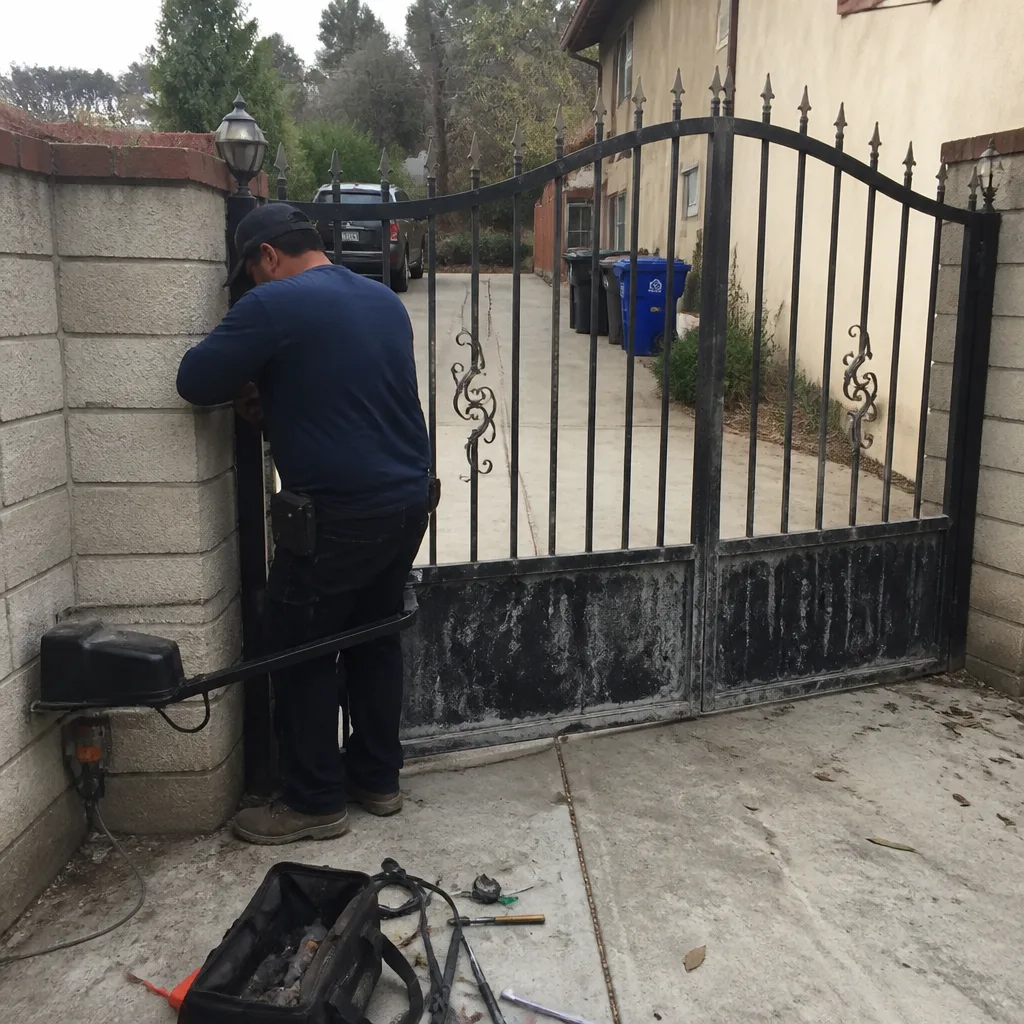 Before
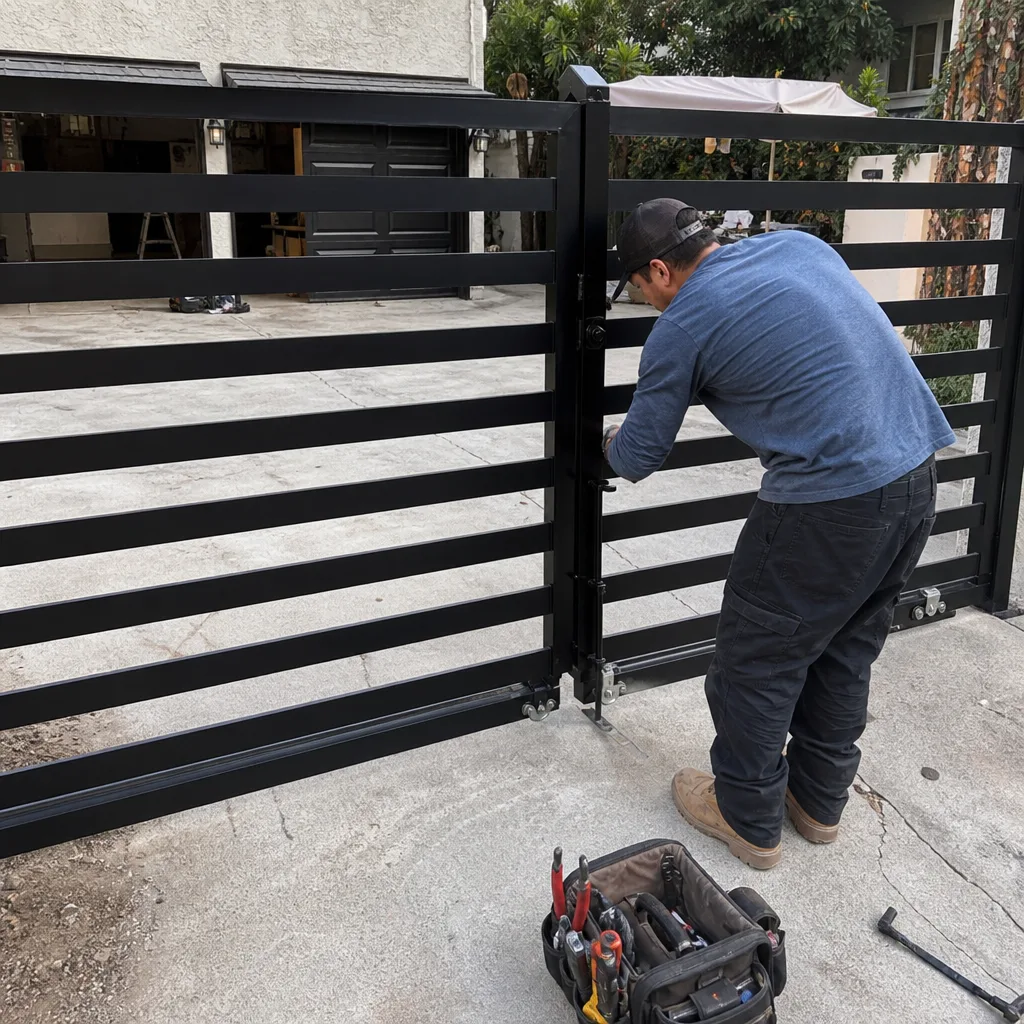 After
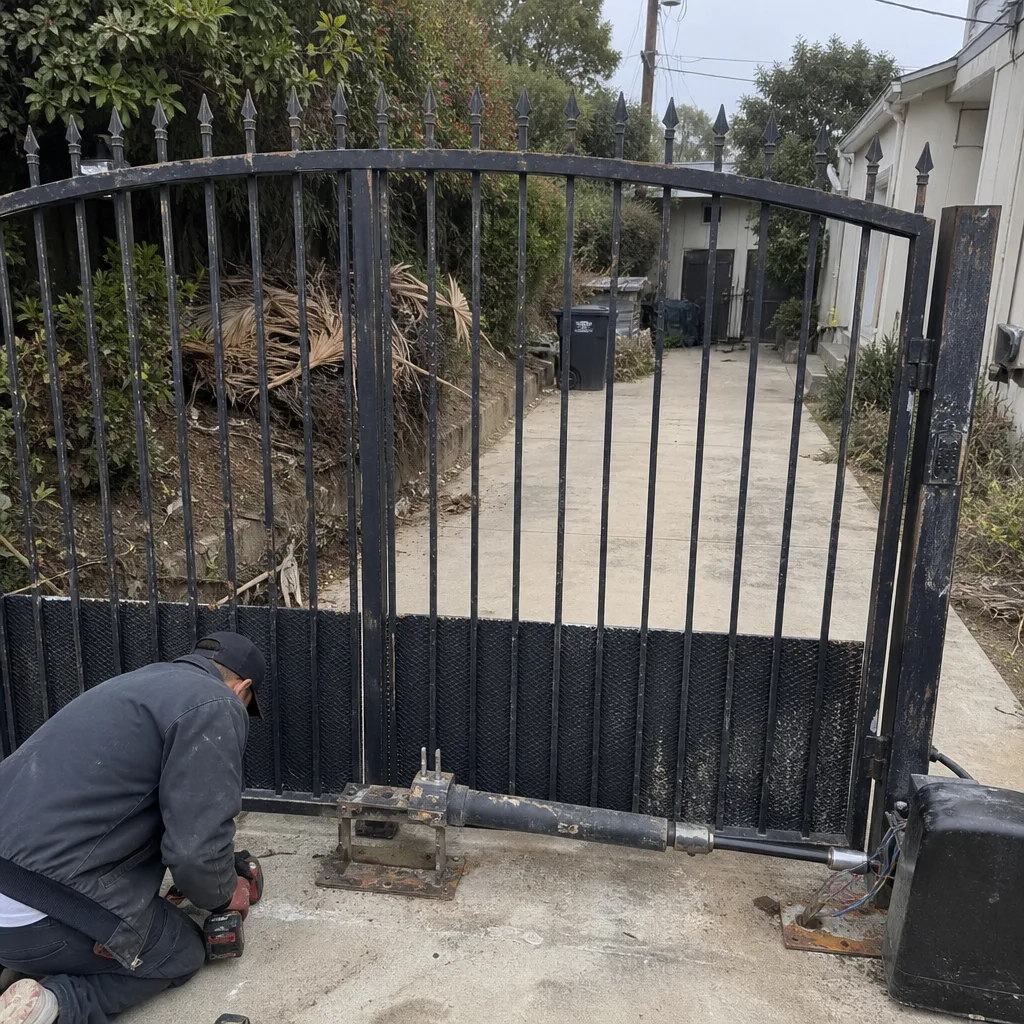 Before
 After
 Before
 After