
Last updated November 2, 2026
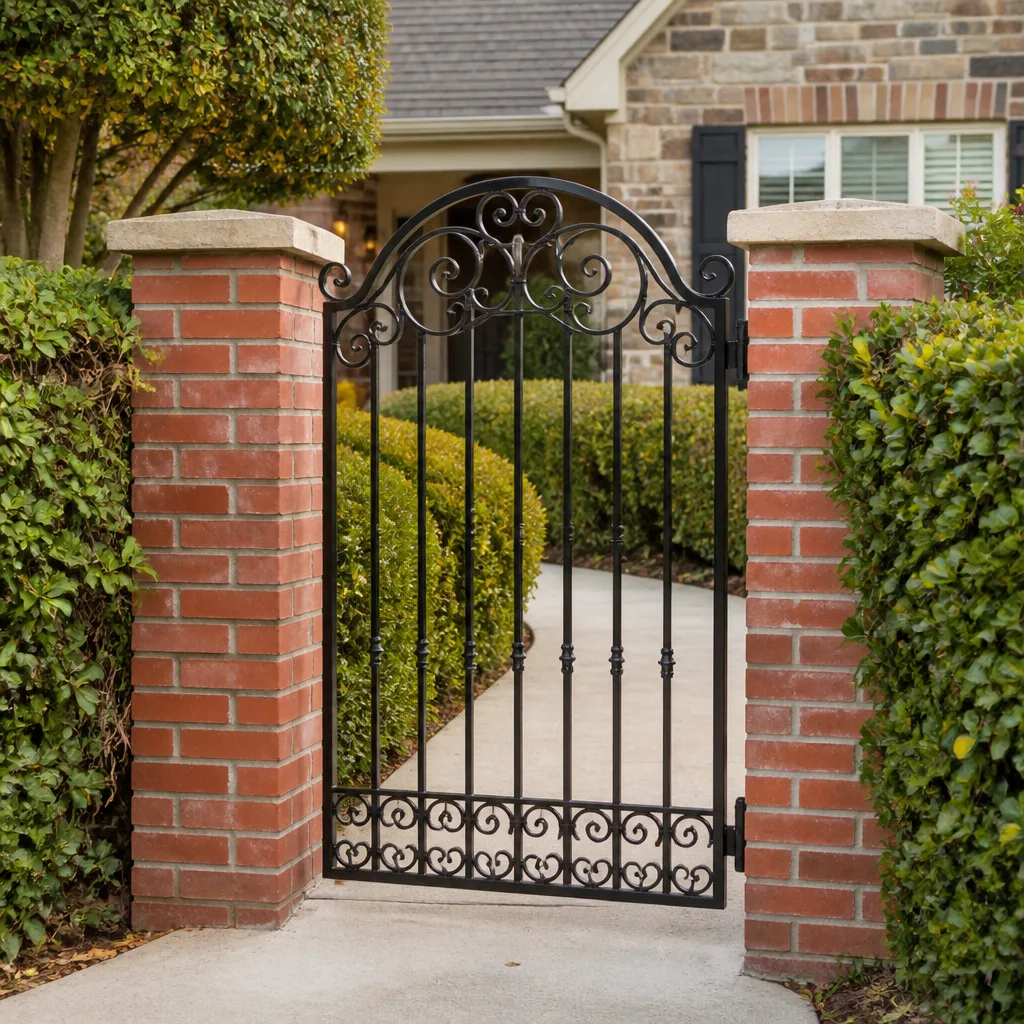 Wrought iron
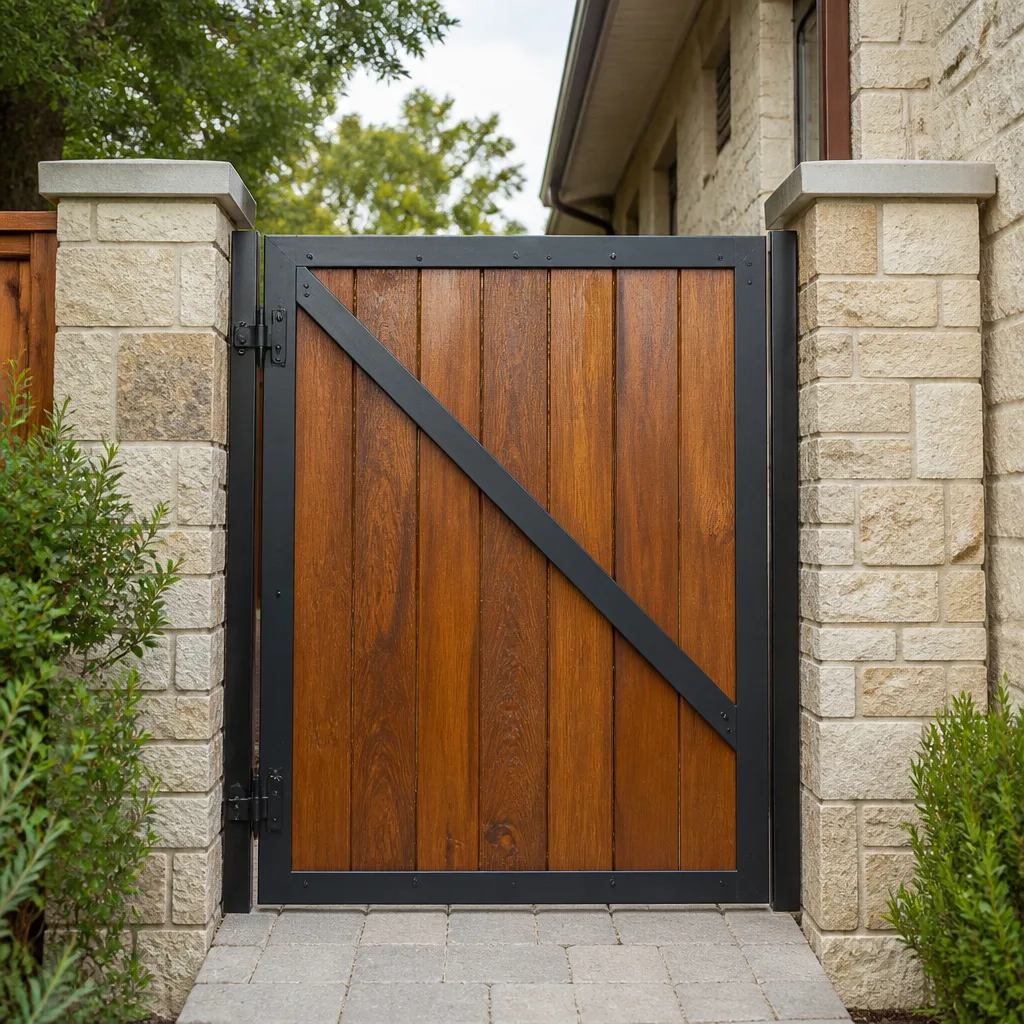 Wood & steel frame
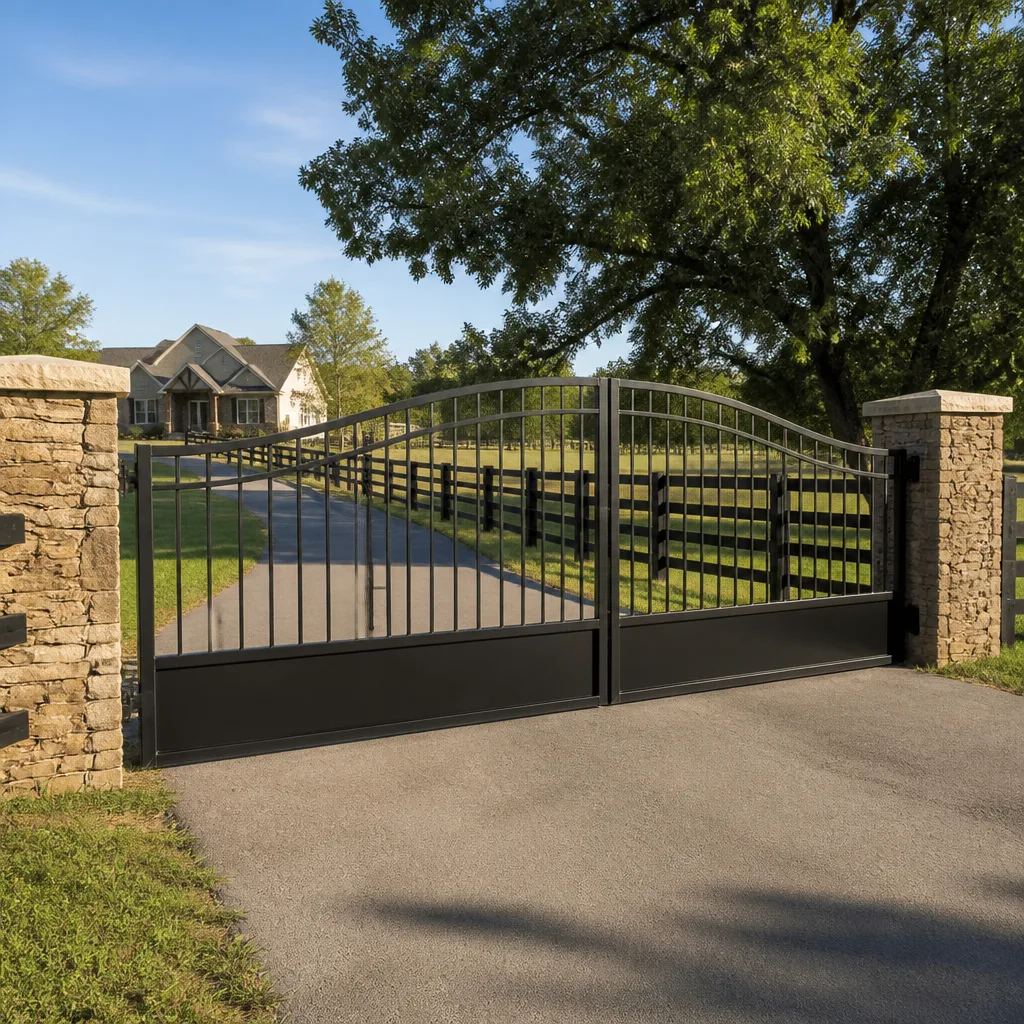 Farm & ranch
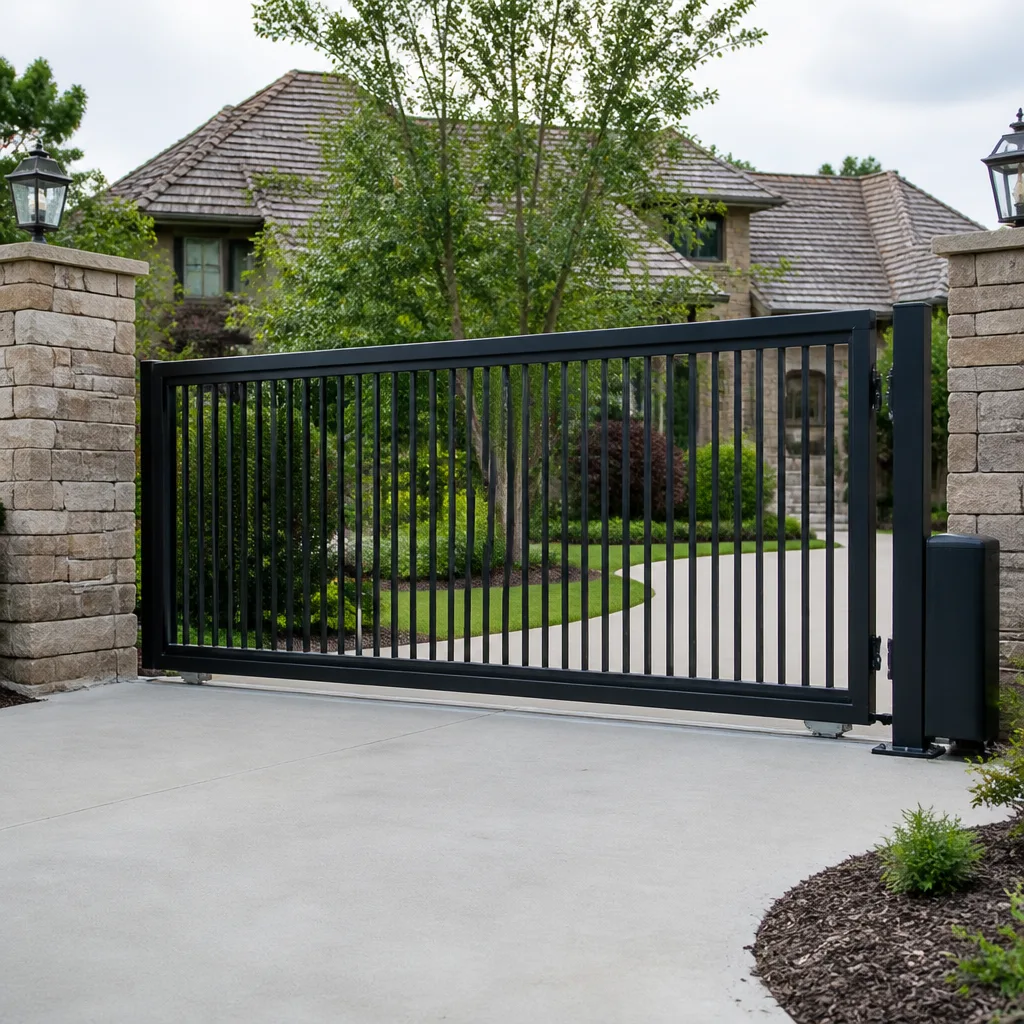 Sliding driveway gates
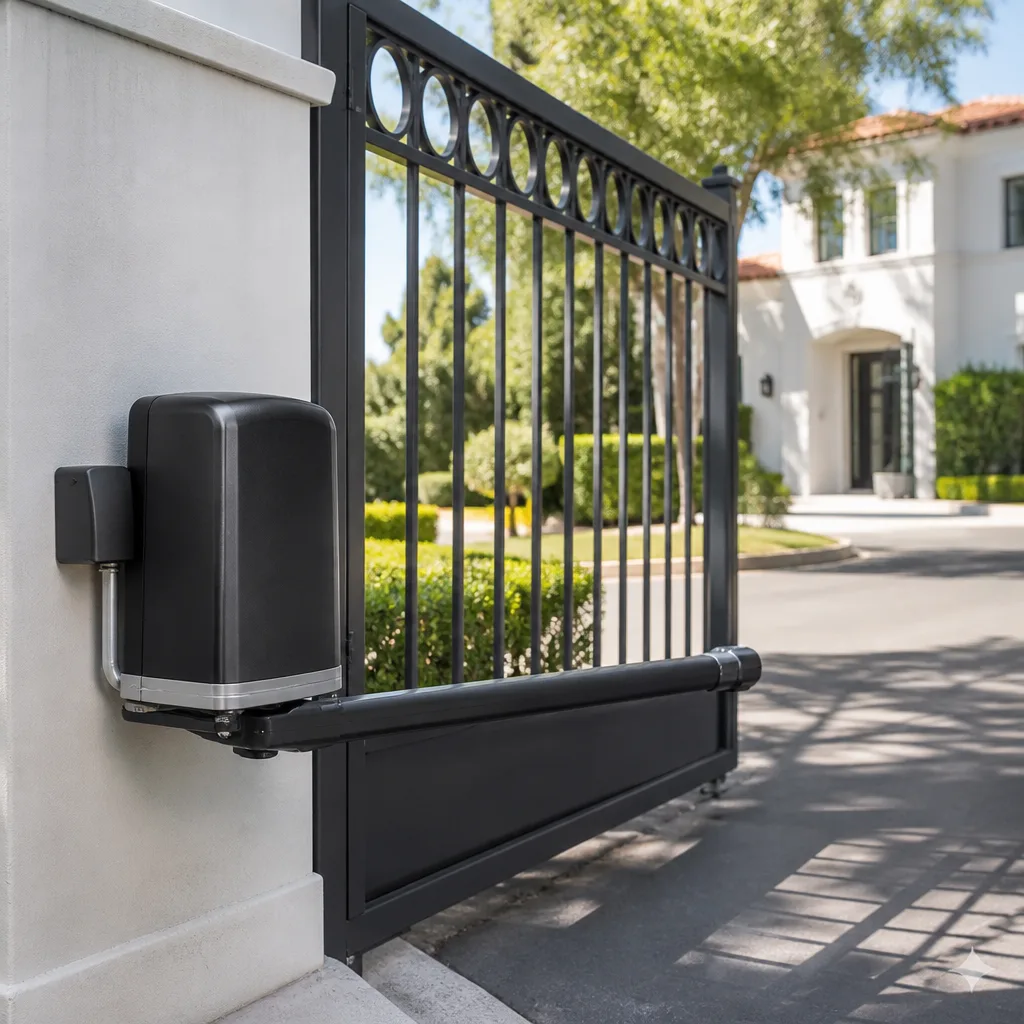 LiftMaster operators
Free on-site gate assessment - hinges, posts, and your LiftMaster or Nice gate operator checked before anything is quoted
The assessment is free and the quote is the invoice.
Get your free estimateThe Complete Gate Repair Guide for Montecito Heights Homeowners
The hillside lots that make Montecito Heights properties so distinctive are also the reason gates here fail faster than they do in flat LA neighborhoods, and most repair guides will never tell you that. Slope-driven soil movement, fire-season dust infiltration, and decades-old post foundations create a unique set of stressors that every gate in this zip code eventually contends with. This guide explains what actually breaks, why it breaks here specifically, and how to get a repair that restores full system life rather than one that just buys you six months. You’ll learn how to read a quote, when to escalate to replacement, and which brand-specific failures we see most often in Montecito Heights.
Quick Answer
Gate repair in Montecito Heights typically costs between $200 and $800 for common issues like misaligned hinges, sensor failures, and control board replacements, while full motor replacements run $1,200 to $3,500 depending on brand. Most repairs are completed the same day or next day, and the repair-vs-replace decision hinges on the condition of your gate’s post foundations, which on hillside lots age faster than the hardware itself. We work on LiftMaster, FAAC, BFT, Linear, Viking, Ghost Controls, DoorKing, Elite, and Mighty Mule systems, diagnosing first and recommending replacement only when the math genuinely favors it.
Styles & brands we work with
- Wrought iron
- Wood & steel frame
- Farm & ranch
- Sliding driveway gates
- LiftMaster operators
Table of Contents
- Why Hillside Lots Fail Gates Faster in Montecito Heights
- Brand-by-Brand Failure Patterns We See in This Area
- The Six-Month Repair vs. the Full-Life Repair: How to Tell the Difference
- What You Can Check Yourself and What You Shouldn’t Touch
- When a Montecito Heights Property Manager Should Replace Instead of Repair
- What Gate Repair Actually Costs in Montecito Heights
- Step-by-Step: How a Gate Diagnosis Should Work
- Preventive Maintenance That Accounts for Fire Season and Santa Ana Winds
Why Hillside Lots Fail Gates Faster in Montecito Heights
A gate is only as stable as the ground beneath its posts. On a flat lot in Pasadena or Culver City, settling is measured in fractions of an inch over decades. In Montecito Heights, where homes sit on sloped terrain cut into the hillside, soil shifts measurably every wet season. When rain saturates the decomposed granite common in this part of LA, the earth expands and exerts lateral pressure on gate post footings. During long dry stretches, the soil contracts and lets posts drift. Over three to five years, a post that started plumb can lean two or three degrees, which is enough to bind hinges, drag the gate leaf across the ground, and throw strike plates out of alignment.
We see this pattern constantly. A homeowner calls because their gate suddenly won’t close. The opener is fine. The hinges are fine. The actual problem is that the post has moved, and every component bolted to it has moved with it. This is why any repair quote that ignores foundation condition is a quote that will not last. A technician who simply re-hangs the gate on the shifted post has fixed a symptom. Six months later, the same angle has reasserted itself and the gate binds again.
That said, this is not a reason to assume the worst. Many Montecito Heights gates sit on posts that were set deep and correctly decades ago. Mid-century builders in this neighborhood frequently used concrete footings far deeper than code required, because they knew they were building on a hill. If the footing itself is solid, repositioning and re-anchoring hardware on the existing post can be a completely legitimate long-term fix. The important thing is that someone looked at the foundation before quoting the hardware.
Brand-by-Brand Failure Patterns We See in This Area
We service nine major gate brands in Montecito Heights because the existing gate on a property is almost never the gate a general handyman has parts for. That multi-brand depth matters more in this neighborhood than in most, because the housing stock spans five decades and the gate equipment spans just as many generations of technology. Here are the four brands we see most often and what we know about how they behave on this terrain.
Linear Systems on Hillside Driveways
Linear operators are common on mid-century Montecito Heights homes because the brand was well-represented by LA distributors in the 1980s and 1990s. The motor itself is generally durable. The weak point we see locally is the limit switch assembly, which is sensitive to the extra load placed on the motor when a gate leaf starts dragging after post settlement. As the motor works harder to push a slightly out-of-alignment gate, limit switch contacts arc and pit. The first symptom is usually a gate that stops a foot short or slams harder than it used to. Replacing the switch assembly often restores correct travel, but only if we also address the alignment issue that caused the arcing.
Viking and the Dust Problem
Viking operators are built for heavy-duty cycles, and many commercial properties in Montecito Heights run them without issue. The local failure mode is not mechanical but environmental: Viking control boards sit inside cabinets that are nominally sealed but rarely perfectly so. During fire season, when Santa Ana winds push fine particulate through every gap, that dust accumulates on the board and on the cooling surfaces of the motor. Over a single summer, we see Viking systems with a visible film of grit inside the cabinet. That film retains heat, and heat is what kills capacitors and relays. The preventive move is a seasonal blowout of the cabinet interior and a check of the cabinet seal. Most homeowners and property managers never think to do this until the board fails.
Ghost Controls on Lighter Gates
Ghost Controls is popular for residential driveway gates, especially on properties where the gate is ornamental rather than heavy. The local pattern is different from the other brands because Ghost systems are often installed on posts that were never meant to carry an automated opener. When post settlement begins, the first casualty tends to be the photo-eye sensors, which lose mutual alignment. The second is often the coupler that connects the armature to the gate, which takes persistent lateral force and eventually works loose. Both repairs are relatively inexpensive, but they recur unless the underlying post issue is addressed.
DoorKing and Access Control on Managed Properties
DoorKing is the brand we most often see on Montecito Heights rental properties and small gated communities where a property manager is responsible for tenant access. These systems are long-lived, but their failure mode is particular: the access-control peripherals degrade before the motor does. Keypad membranes crack from UV exposure (the hillside sun is unrelenting), loop detectors fail when surrounding soil shifts and breaks the detection loop wire, and relay contacts on older DoorKing boards wear out after years of arcing. We advise property managers to treat the keypad and loops as consumable items with a defined service life, not as parts that should last as long as the gate itself. Replacement of a keypad membrane or a loop detector is a scheduled repair, not an emergency, but catching it on a maintenance schedule avoids the 2 a.m. call when the tenant can’t get in.
Our range across these brands is not a marketing line; it’s the only practical way to serve a neighborhood where the gate on the next block might be thirty years older than the one beside it. We diagnose first and quote honestly on repair versus replacement for every one of them. You can read more about how we approach this across the full brand spectrum on our Gate Repair in Montecito Heights page.
The Six-Month Repair vs. the Full-Life Repair: How to Tell the Difference
Every broken gate has two possible quotes: the one that makes it work again for now, and the one that makes it work again for the next decade. Both are legitimate. The problem is when a homeowner pays full-life pricing for a six-month repair, or when a contractor frames a band-aid as a solution. Here’s how to tell which quote you’re reading.
The six-month repair addresses the visible failure. The gate leaf is sagging, so the hinges are re-tightened. The opener trips its breaker, so the breaker is reset and the motor capacitors are replaced. The gate won’t stay closed, so the close limit is adjusted. None of these are wrong, exactly. They just don’t ask the next question.
The full-life repair addresses the cause. The gate leaf is sagging because the post has leaned under settlement pressure and the hinge plates are no longer in the same plane. The opener trips its breaker because it’s been drawing excess current for a year, trying to push a misaligned gate. The close limit keeps drifting because the gate’s travel geometry changed when the post moved. A full-life quote identifies the root cause in writing and prices the repair that addresses it.
In Montecito Heights, the root cause is usually soil movement. If you receive a quote and nobody mentions your post footings, your driveway slope, or your gate’s travel geometry, ask them to. A legitimate gate specialist will be able to answer on the spot. You can also tell a full-life quote by its scope: it should specify whether the hinges are being re-shimmed or replaced, whether the post is being straightened or re-set, and whether the opener’s current draw is within spec for its motor class. A quote that just says “repair gate” is not a quote; it’s a placeholder.
One more calibration point: a full-life repair does not mean everything gets replaced. A good diagnosis often finds that most of the system is healthy and only one component has been failing under stress. Replacing that component and correcting the alignment is a full-life fix. Replacing every component and ignoring the alignment is just a more expensive six-month repair.
What You Can Check Yourself and What You Shouldn’t Touch
There is a real safety line here, and it sits between observation and adjustment. You can safely observe and report. You should not adjust, re-tension, or bypass anything that involves stored energy or live circuitry. That is not a disclaimer; it is the difference between a diagnostic observation and a hospital visit.
What you can safely check:
- Visual post lean: Stand back at the driveway edge and sight down the gate line. Compare the gate post against the vertical edge of a house corner or a fence post you know is true. A two-degree lean is visible if you’re looking for it.
- Ground clearance changes: Look at the gap between the bottom of the gate leaf and the driveway surface. If the gap tapers from one side to the other, the geometry has shifted.
- Photo-eye behavior: Most systems have a small indicator light on the sensor. If it blinks when the beam is broken and stays dark when aligned, that’s normal. If it blinks continuously no matter what, you may have an alignment or wiring issue.
- Unusual motor sound: A gate opener should hum steadily. Grinding, clicking, or a rising pitch under load tells you the motor is working too hard, which usually means the gate itself is the problem.
- Obvious debris in the track: Leaves, gravel, and fire-season grit accumulate in gate tracks. Clearing loose debris by hand is safe and often restores smooth travel immediately.
What you should absolutely not do:
- Never adjust a torsion spring or attempt to re-tension a gate spring yourself. Gate springs store enough energy to cause severe injury if released uncontrolled. This is true even on smaller residential gates.
- Never open a control box while the system is powered. The low-voltage side is safe to inspect only if you know exactly what you’re looking at. The high-voltage side is not safe to touch, period. Capacitors retain charge even after power is disconnected.
- Never force a gate that has stalled. If the opener is whining but the gate isn’t moving, disengage the opener and check whether the gate swings freely by hand. If it doesn’t, the mechanical issue is in the hinges or track, not the motor. Forcing it under motor power will burn out the motor and possibly snap a component.
If you can tell us what you saw, what you heard, and what the gate did when you tried to move it manually, our diagnosis on the phone is dramatically faster. That said, for anything involving springs, cables, control boards, or an opener that trips its breaker repeatedly, call a professional. For our full process on what the diagnosis looks like when we arrive, see the Electric Gate Repair in Montecito Heights page.
When a Montecito Heights Property Manager Should Replace Instead of Repair
Property managers face a different calculus than homeowners. A homeowner can tolerate a repair that might need revisiting in a year. A property manager cannot, because every repair call is a tenant touchpoint, a budget line, and an owner’s phone call. We have worked with enough Montecito Heights rental properties and small gated communities to know when iterative repair stops making financial sense.
Begin asking the replacement question when three conditions converge.
First: the post footings are compromised. On hillside properties, this is the single largest determinant. If a post has shifted enough that re-shimming and re-anchoring has been attempted once and the movement has recurred, the footing itself is likely cracked or undersized. Re-setting a post properly on a hillside lot involves excavation, a new footing sized for the slope and soil type, and often drainage work to keep water away from the new pour. That is real money, but it buys a foundation that outlasts the next two openers. Compare it against the cost of repeated hinge and sensor repairs over the same period, and it is routinely the cheaper option.
Second: the opener’s motor class no longer matches the gate’s real-world weight. This is common in Montecito Heights because gates get heavier over time. Homeowners add decorative panels, security bars, and privacy screens to older gate frames. Property managers bolt on new hardware. The original opener was sized for a gate that no longer exists. When a motor runs above its rated duty cycle, every component wears faster. If we measure the current draw and the pull force and find that the opener is consistently running at or beyond its limit, replacement of the opener is the repair. Continuing to replace worn components on a motor that is simply too small is financial whack-a-mole.
Third: the access-control system has outlived its parts ecosystem. On DoorKing and some older Viking systems, key components like relay boards and keypad membranes become difficult to source. Holding parts availability constant, we may be able to repair. But when a property manager is paying premium pricing for a discontinued relay board that will be even harder to find in two years, the honest recommendation is often a new access-control retrofit on the existing gate and post. That keeps the mechanical gate itself (which may be perfectly fine) and replaces only the electronics that have reached the end of their support life.
The key distinction: replacement on a Montecito Heights property rarely means replacing everything. It usually means replacing the specific subsystem that has become structurally or electronically unserviceable while preserving what still works. A good replacement quote names what is being preserved and why. If you are considering a full gate replacement and want to understand what that actually includes, our Gate Installation in Montecito Heights page walks through the process in detail.
What Gate Repair Actually Costs in Montecito Heights
We quote every job after diagnosis, and we quote it in writing before any work starts. That is not a courtesy; it is the only honest way to price gate work on hillside lots where the visible symptom rarely reflects the underlying cause. Below are the price ranges we consistently see for this area’s most common repairs. These are Los Angeles market prices, and they apply to the brand mix common in Montecito Heights.
| Repair Type | Typical Price Range | What It Usually Includes |
|---|---|---|
| Photo-eye sensor realignment or replacement | $90 to $220 per sensor | New sensor, alignment, and wiring check at the control board |
| Hinge repair and gate re-hang (no post work) | $180 to $450 | New hinge plates or re-shim, travel adjustment, opener re-set |
| Post straightening and re-anchoring | $300 to $700 | Mechanical straightening, new anchor hardware, gate re-hang |
| Full post re-set in new footing | $800 to $1,800 | Excavation, new concrete footing, post set, gate re-hang, travel adjustment |
| Control board replacement | $250 to $650 | New board, programming, safety loop integration, limit setting |
| Opener motor replacement (residential) | $600 to $1,500 | New motor assembly, mounting, travel limits, force adjustment, sensor check |
| Opener motor replacement (heavy-duty commercial) | $1,500 to $3,500 | Motor, gearbox, controls integration, safety compliance check |
| Loop detector replacement (driveway sensor) | $180 to $400 | New detector, wiring run, sensitivity adjustment |
These ranges reflect what we see on the ground in this neighborhood. The single biggest price variable is whether the post itself is compromised; the second is whether the opener is a homeowner-grade unit or a commercial-duty unit that was spec’d for a hillside lot. Every quote we provide includes a line-by-line scope, so you know exactly what each dollar is doing. For a deeper look at what drives these numbers and how to compare quotes fairly, start with our Lighthouse Gate Repair home page, which links to our full cost breakdowns.
Step-by-Step: How a Gate Diagnosis Should Work
When a gate specialist arrives in Montecito Heights, the diagnosis should follow a specific sequence. Anything that skips these steps is guessing. Here is the order we use, and the order you should expect from anyone you call.
- Listen to the symptom from the person who uses the gate daily. Tenants, owners, and property managers each notice different things. The resident hears the ugly sound. The property manager sees the complaint log. Both matter.
- Cycle the gate under power and watch. We look for hesitation at the start, speed changes mid-travel, and how hard the gate hits the stop. That behavior pattern tells us more than any single component test.
- Disengage the opener and move the gate manually. If the gate swings freely, the problem is electrical or in the opener. If it drags, binds, or catches, the problem is mechanical. This one test splits the entire diagnosis in half.
- Measure the post and hinge geometry. We sight the posts for lean, measure the gate’s ground clearance across its travel path, and check whether the hinge plates are in plane. On hillside lots, this is where most repair stories actually live.
- Check the electrical side at the control board. We measure current draw on the motor, check for burned or pitted contacts, and inspect the board for dust buildup, corrosion, or heat discoloration. Fire-season grit shows up here first.
- Test every safety device. Photo-eyes, safety edges, and loop detectors are not optional extras. If a safety device has failed, that’s a required repair, not a recommendation. A gate that reverses without a visible obstruction is failing its most basic job.
- Give you a written quote with a root-cause explanation. You should never leave a diagnosis call without knowing what broke, why it broke, and what the repair will do differently. If the diagnosis is vague, the fix will be too.
Preventive Maintenance That Accounts for Fire Season and Santa Ana Winds
Most gate maintenance advice is written for flat, mild climates. Montecito Heights is neither flat nor mild. Our preventive recommendations are built around the two environmental forces that actually degrade gate systems here: seasonal soil moisture swings and fire-season particulate.
Twice a year, do a visual geometry check. Rain season ends around March. Fire season begins around July. Both are good times to walk the gate line and look for the first signs of post movement or hinge wear. Catching a two-degree lean in March is a $200 alignment job. Catching it in October after a summer of grinding is a $900 hinge and motor repair. The seasonal rhythm matters.
Before fire season, clear the control box and cabinet vents. This is the single highest-value preventive task for Montecito Heights homeowners with automated gates. Have the control board blown out with compressed air, check the cabinet gasket, and inspect the cooling path on the motor housing. Dust buildup inside a control cabinet is not cosmetic; it reduces the service life of every heat-sensitive component inside.
After any significant rain, check the footing drainage. If water ponds near a gate post for more than a few hours after rain, the footing is soaking, and the soil around it is expanding and contracting more aggressively than it should. Adding drainage or a splash guard at the post base is a hundred-dollar preventive measure against a thousand-dollar post reset.
For property managers: put gate maintenance on the calendar. A twice-yearly service visit that includes sensor testing, loop detector verification, and keypad condition assessment costs a fraction of one emergency call, and it keeps tenants from ever having to make that call. We schedule these for Montecito Heights clients around the same two seasonal windows, because that is when the failures actually begin.
Common Mistakes to Avoid
- Ignoring the post because “the motor works.” The motor works right up until the post has shifted enough to turn a free-swinging gate into a dead load. By then, the damage is multiplied. Post geometry is the upstream cause of more than half the gate failures we see on Montecito Heights hillsides.
- Letting a handyman replace a gate spring. Gate springs on both manual and automated systems hold serious tension. A general repair person without gate-specific training is more likely to get hurt or to install the wrong spring rate than to fix the problem. This is gate-specialist territory.
- Bypassing a safety sensor that keeps faulting. The sensor is faulting because it has lost alignment or wiring integrity. Bypassing it restores operation and simultaneously disables the one device designed to stop the gate from closing on a car or a person. Never accept this as a repair.
- Assuming the opener brand determines the repair source. We regularly take over service on Linear, Viking, Ghost Controls, and DoorKing systems from previous contractors who only sold one brand. The repair parts and expertise are brand-specific, but a nine-brand shop services all of them from one call.
- Deferring maintenance because the gate still opens. Gates fail incrementally. The grinding sound you heard for six months was the hinge wearing into its plate. The bill for replacing the plate was small. The bill for replacing the post that the plate was bolted to is not.
- Getting one quote and accepting it. In Montecito Heights, where the terrain complicates every foundation-related repair, you want at least one quote that names the post condition explicitly. If the first quote doesn’t mention it, ask. If the second quote contradicts the first, find out why before committing.
- Confusing “warranty” with “maintenance.” A warranty covers defects in parts or workmanship. It does not cover a post that moved during a wet winter or a control board filled with fire-season dust. Those are environmental realities, and the only defense is scheduled maintenance.
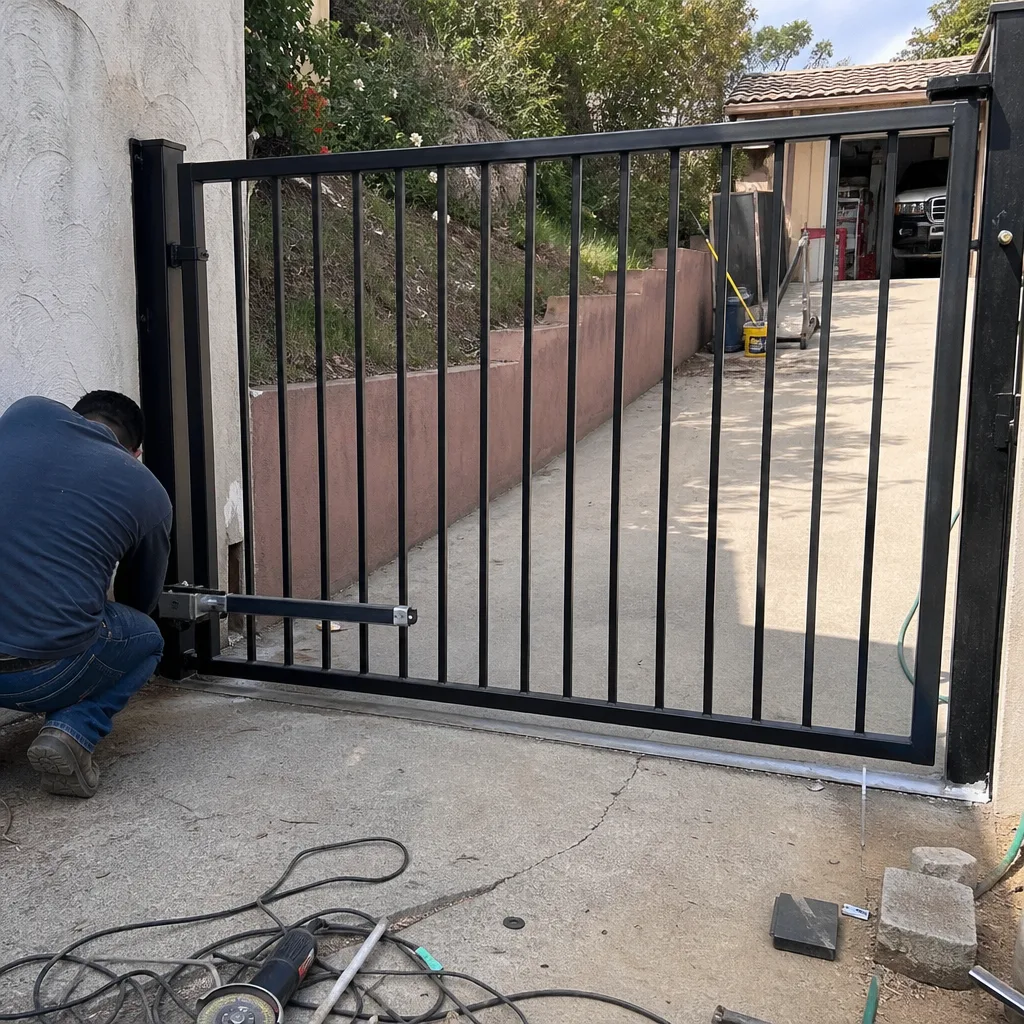
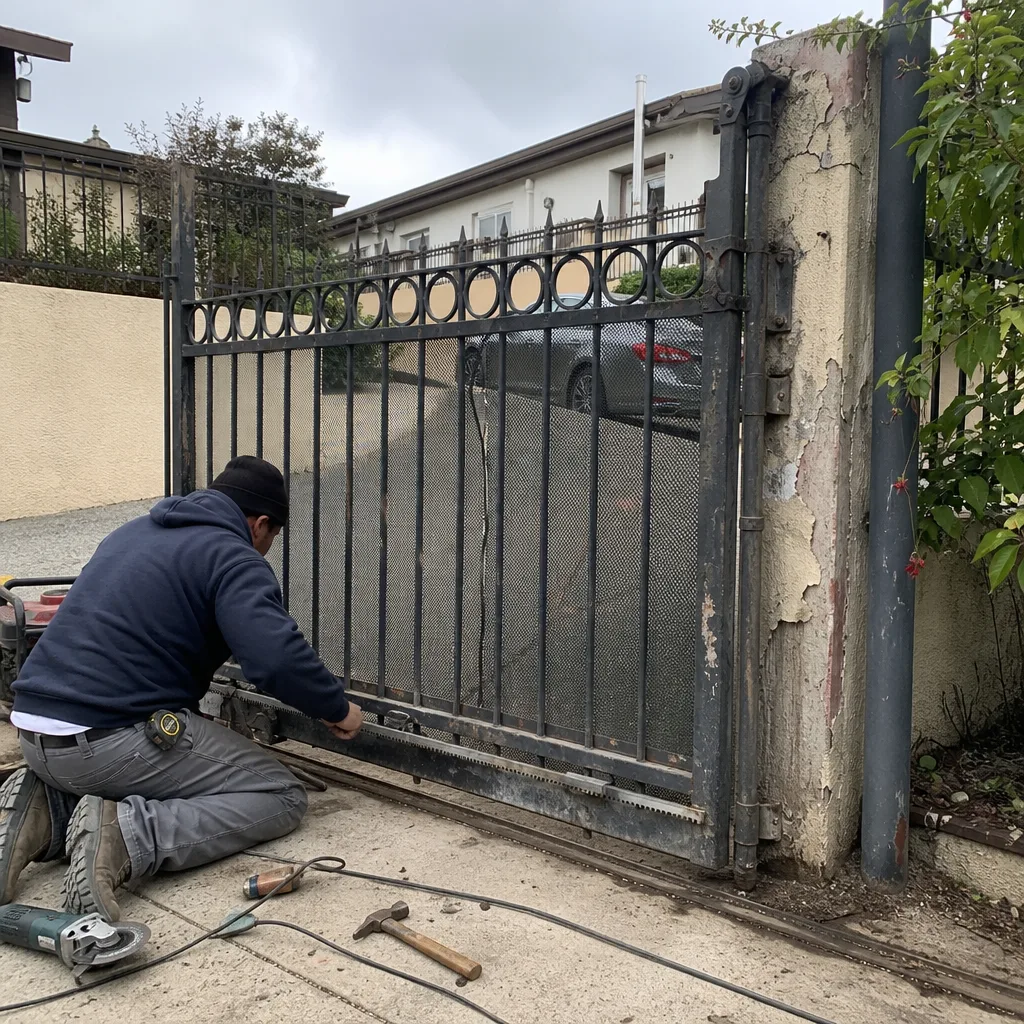
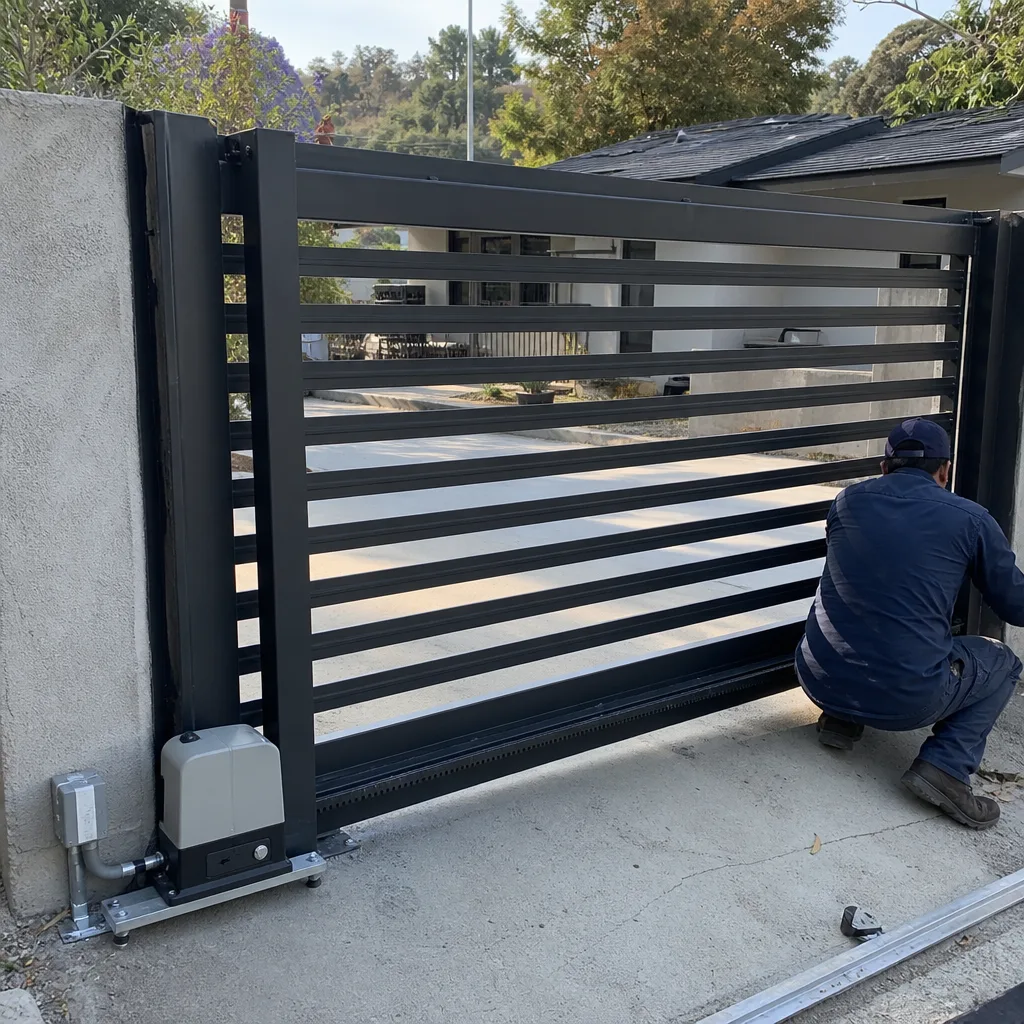
See the difference
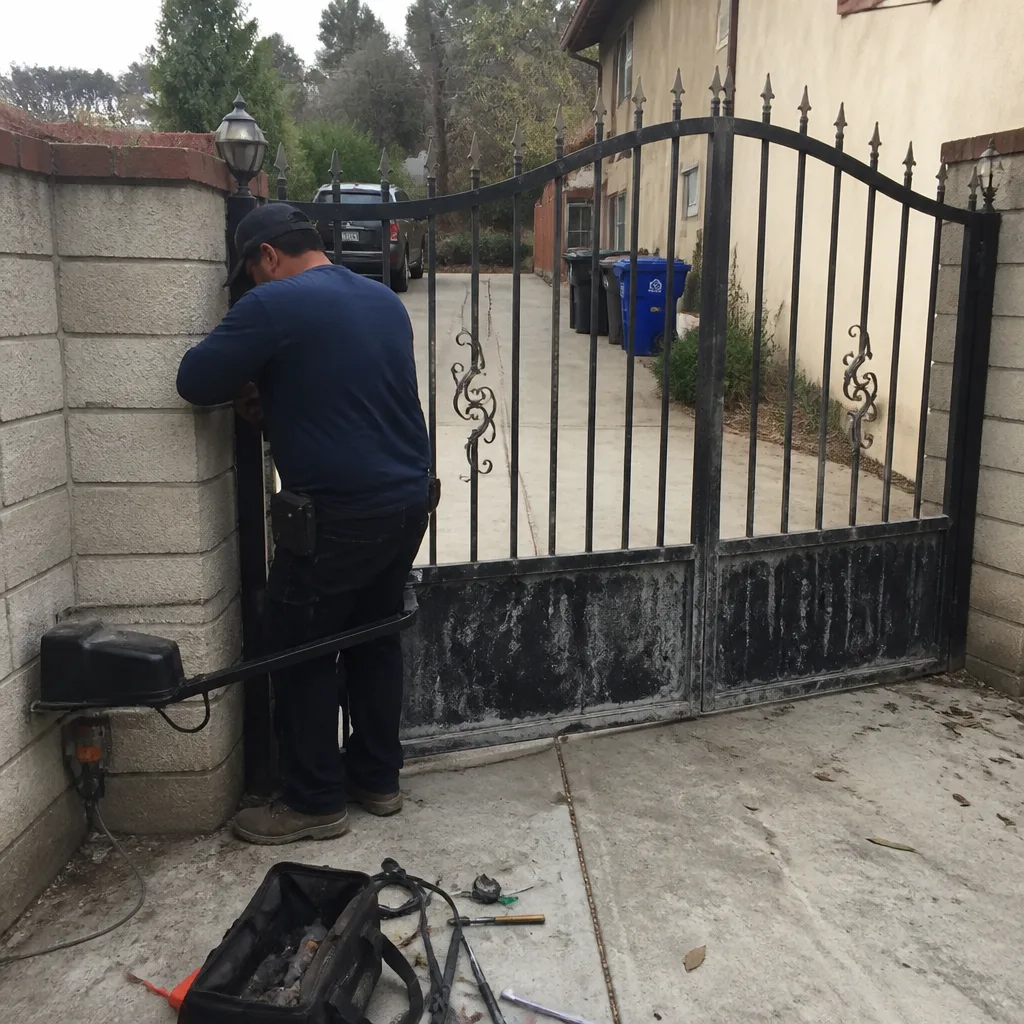 Before
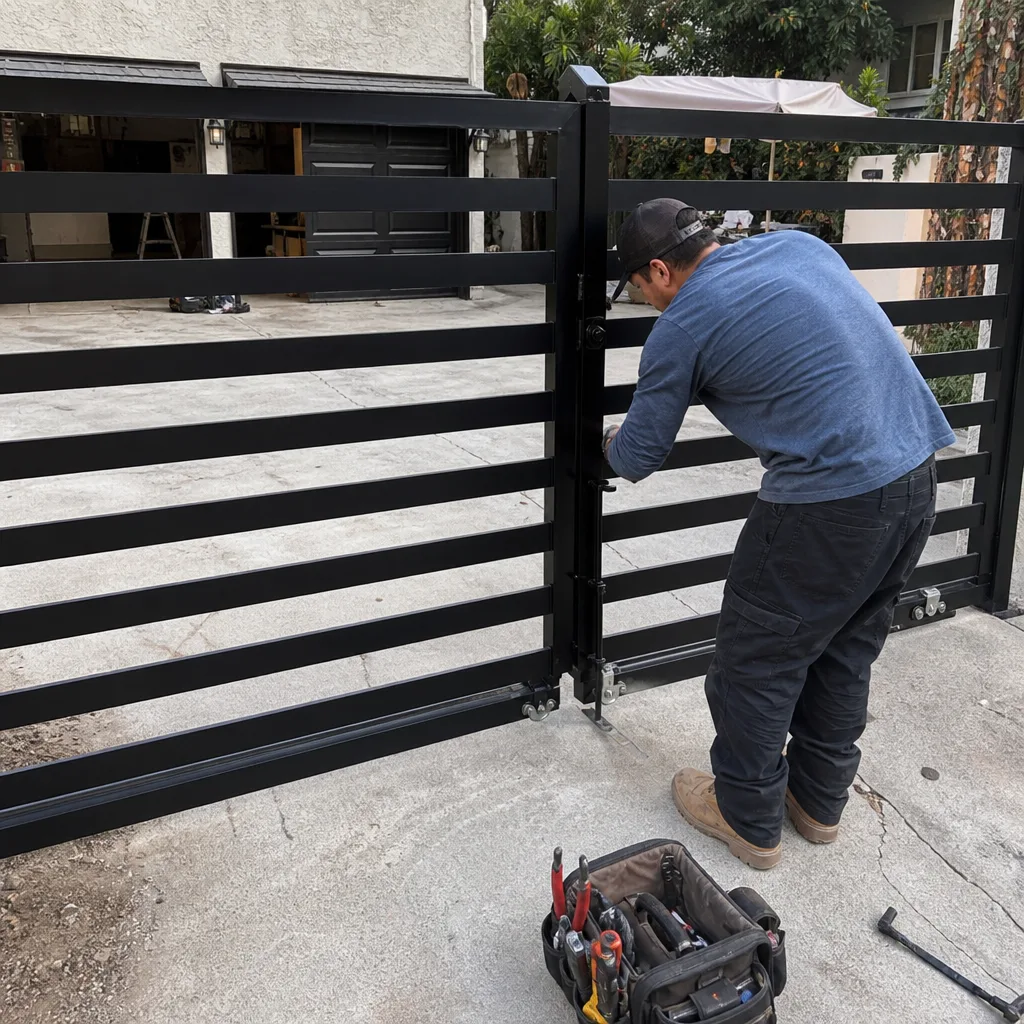 After
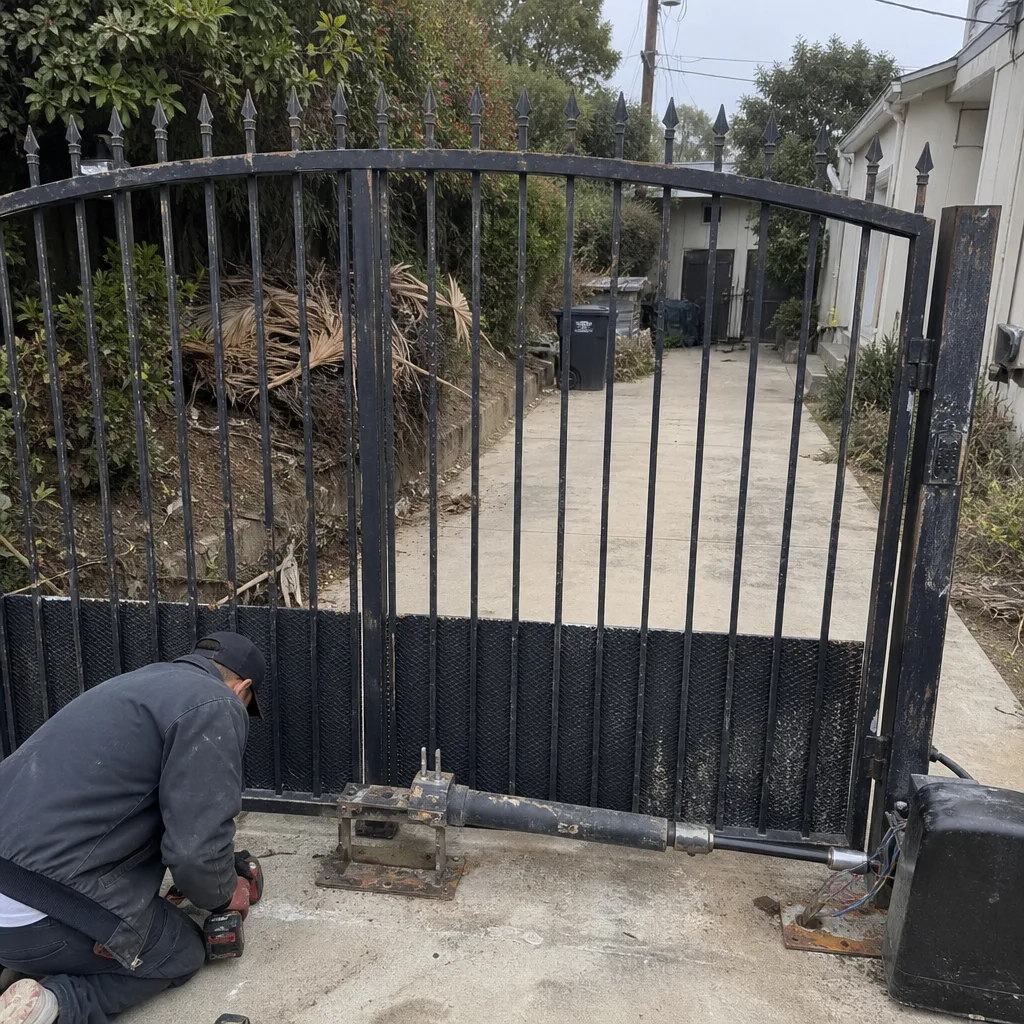 Before
 After
 Before
 After
When to Call a Professional
Call when the gate hits something and doesn’t reverse, when it trips a breaker more than once, when it whines without moving, when a tenant reports that the keypad has started working intermittently, or when you see visible post lean for the first time. Call before the hinge fails completely, because a gate that comes off its hinges on a sloped driveway is a genuine hazard to people and vehicles. Call when you’re not sure whether the problem is the gate or the opener, because that distinction is exactly what a diagnostic visit resolves. And if you are reading this because a previous repair lasted less than a year, call someone who will tell you why that happened. Lighthouse Gate Repair offers free estimates in Montecito Heights. Call (866) 569-5320 and describe the symptom; we’ll tell you whether you need a visit and what the likely ranges are before we ever step on the property.
Frequently Asked Questions
Gate repair in Montecito Heights typically costs between $200 and $800 for common issues like sensor realignment, hinge repair, and control board replacement, while post re-setting and motor replacement run $800 to $3,500 depending on the scope and brand. The exact quote is always given in writing before work begins, and it’s based on a diagnosis that identifies the root cause rather than just the visible symptom. Call (866) 569-5320 for a free estimate tailored to your specific gate and lot conditions.
For emergency situations where a gate will not close and a property is left unsecured, we make same-day and next-day appointments in Montecito Heights whenever we have a technician in the area. Most non-emergency repairs are scheduled within one to three business days. Call (866) 569-5320 with the symptom and your location, and we’ll give you the soonest real time we can be there.
A full gate replacement includes the gate leaf itself, new post footings sized for your hillside lot’s soil and slope, new hinges and hardware, and either a new opener or integration of your existing opener if it’s still viable. We quote the scope in writing and preserve whatever components are still sound. For a complete breakdown of the process, see our Gate Installation in Montecito Heights page.
Yes, electric gate work is a core part of every installation and major repair we do in Montecito Heights, including the power run to the opener, safety edge installation, and all sensor and access-control wiring. That scope is included in the written quote, not added as an afterthought. Our full approach to the electrical side is covered on the Electric Gate Repair in Montecito Heights page.
We service LiftMaster, FAAC, BFT, Linear, Viking, Ghost Controls, DoorKing, Elite, and Mighty Mule systems, which covers everything from budget residential openers to full commercial access-control installations. We diagnose what is already on your property rather than pushing a replacement from one favored brand. That brand-agnostic approach is explained further on our Gate Repair in Montecito Heights page.
Fire-season particulate pushed by Santa Ana winds infiltrates control cabinets and coats circuit boards with a fine grit that traps heat and shortens the life of capacitors and relays. The most effective countermeasure is a seasonal cabinet blowout and seal check before the fire season begins. This is worth including on any scheduled maintenance plan for a gate system in this zip code.
The Bottom Line
Montecito Heights gates fail differently than gates in flat neighborhoods because the hillside itself is a variable in every mechanical equation. The post moves, the gate binds, the motor works harder, and the board runs hotter. That sequence is predictable, which means it’s preventable, and it’s repairable for far less when caught at step one rather than step four. The right specialist for this terrain is one who knows all nine major brands, diagnoses before quoting, and writes a scope that names root causes instead of symptoms. That is the only way a Montecito Heights repair buys full system life instead of six months. Lighthouse Gate Repair home has the full picture of how we serve this neighborhood.
Ready to fix your gate? Call (866) 569-5320 for a free estimate. A written quote, agreed before any work begins, is standard on every job we do.
Written by the team at Lighthouse Gate Repair, serving Montecito Heights since 2018.